Tithing While in Debt: Faith, Wisdom, and a Generous Heart
By Randell Tiongson on May 16th, 2026
One of the questions I often hear from people who are trying to fix their finances is this: “Should I still tithe while I am in debt?”
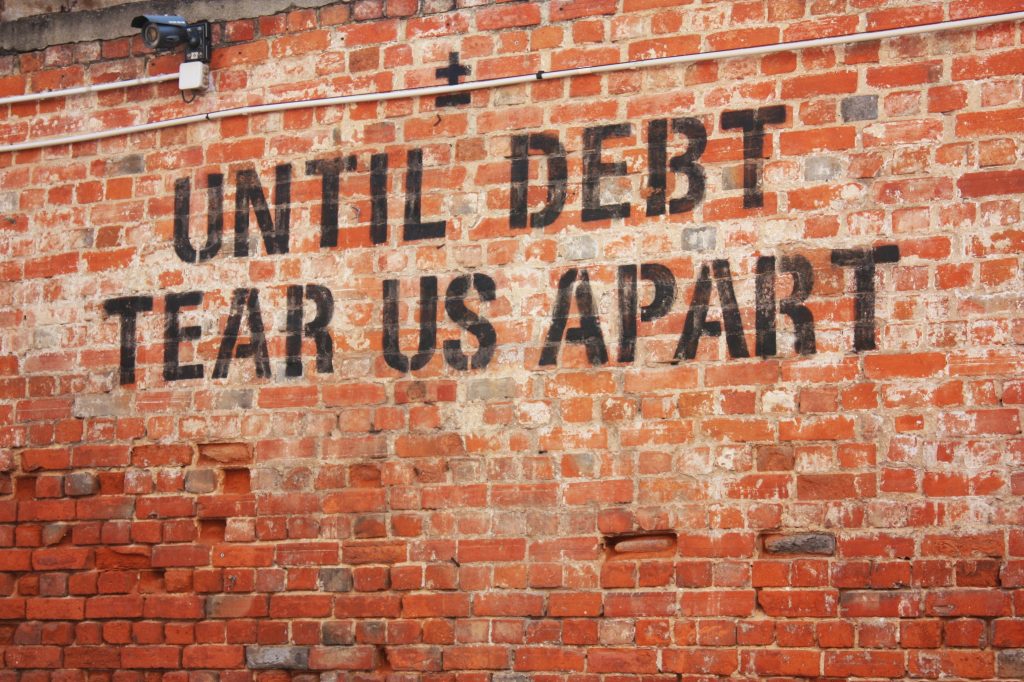
It is a very honest question and I believe it deserves a honest, biblical, and practical answer.
For many believers, tithing is a deeply held conviction. It is a way of honoring God, acknowledging that everything we have comes from Him, and participating in kingdom work. I respect that deeply and I also believe that giving is an important part of discipleship because money has a way of revealing what is happening in our hearts.
But I also believe we need to approach this question with both faith and wisdom.
And here is my personal take: if you are drowning in consumer debt, it may be okay to pause on tithing for a season, focus on becoming debt-free, and then resume giving with greater freedom, joy, and generosity.
I know that may sound controversial to some, but allow me to explain.
When a person is buried in credit card debt, personal loans, or other high-interest obligations, the money being used is not really “extra” money, in many cases, it is borrowed money. So mathematically and ethically, it may be more practical and responsible to prioritize paying back what is owed. Romans 13:8 says, “Owe no one anything, except to love each other…” While this does not mean every kind of borrowing is automatically sinful, it does remind us that debt is a serious obligation. When we borrow, we make a commitment to repay and that commitment must be treated with integrity.
This is why I believe there is wisdom in saying, “Lord, I want to honor You with my money, and part of honoring You right now is getting out of debt, paying what I owe, and learning to live within my means.” That, to me, is not a rejection of generosity. In many cases, it is preparation for greater generosity.
Now, let me be clear, I am not saying people in debt should stop being generous altogether. Generosity is not limited to money. Even in difficult financial seasons, we can still give encouragement, time, service, hospitality, prayer, and care. We can still live with an open heart, we can still resist selfishness, we can still say, “Lord, form me into a generous person.”
The issue is not whether we should be generous. As followers of Christ, generosity is part of who we should be becoming. The issue is whether someone who is financially overextended should continue giving a fixed percentage while struggling to meet obligations, pay creditors, provide for family, or escape the cycle of debt. In those situations, I believe wisdom is needed.
There are also exceptions as not all debt is the same. A home mortgage or a car loan, for example, may be structured over many years and can be properly programmed into a household budget. These are different from uncontrolled credit card debt or loans used to fund a lifestyle we cannot afford. Long-term debt, when managed responsibly and within one’s capacity, should not require a pause in tithing or giving.
But if the debt is toxic, high-interest, and already creating stress, anxiety, and financial instability, then the priority may need to be debt freedom.
I often say that faith and wisdom are not opposed to each other. In fact, biblical faith should produce wise living. Faith is not recklessness and wisdom is not unbelief.
Proverbs 22:7 reminds us, “The borrower is the slave of the lender.” Debt can limit our options, affect our peace, strain our relationships, and even reduce our capacity to give. So when we pursue debt freedom, we are not merely trying to improve our financial position, we are also trying to regain freedom so we can live more faithfully, peacefully, and generously.
At the same time, I want to be careful not to turn this into a rigid rule. This is where conviction comes in. Some people may feel strongly convicted to continue tithing even while paying off debt. If they can do so with faith, wisdom, and without neglecting their obligations, then I honor that. God works in people’s hearts differently, and there are many testimonies of people who continued giving during difficult seasons and experienced God’s provision in powerful ways. But others may feel convicted that the most faithful thing to do is to pause their tithe temporarily, aggressively pay off debt, and then return to giving with a freer heart. I believe that can also be a valid and responsible path.
The key word here is temporarily.
Pausing tithing should not become an excuse for selfishness. It should not become a way to avoid generosity permanently. It should be part of a clear plan: reduce expenses, stop borrowing, pay debts, rebuild financial stability, and grow into a life of generosity, tithing, and beyond. Because the goal is not simply to become debt-free. The goal is to become free to obey God more fully. A debt-free life gives us more margin to support the work of the kingdom, help people in need, bless our families, and give without resentment or fear. For me, that is the bigger picture.
So, what should you do if you are in debt?
First, be honest about your financial situation. Do not spiritualize poor money management and face the numbers.
Second, pray and seek counsel. Talk to mature believers, leaders, or trusted financial mentors who can help you process both the spiritual and practical sides.
Third, make a debt payment plan. Stop adding new debt, cut unnecessary expenses, increase income where possible, be intentional.
Fourth, keep your heart generous. Even if you pause tithing for a season, do not pause discipleship, do not pause gratitude and do not pause compassion.
Lastly, aim to resume giving as soon as you are able. Better yet, grow toward a life that is not just about tithing, but about generosity beyond the tithe.
At the end of the day, God is not after our money first, He is after our hearts. Tithing is important, but it is not meant to be separated from wisdom, integrity, responsibility, and love. Paying our debts is also an act of faithfulness. Living generously is also an act of worship. Managing money wisely is also part of discipleship.
So if you are in debt today, do not live under condemnation. Take responsibility, make wise decisions, and trust God in the process. The Lord is not only concerned about what you give, He is also forming the kind of person you are becoming.
And my prayer is that as we grow in financial wisdom, we will also grow in freedom, peace, and generosity. Not just tithing, but tithing and beyond.