We Learned How to Spend, But Have We Forgotten How to Build?
By Randell Tiongson on November 18th, 2026
The Philippine Economy and the Cost of Ignoring Warnings We Have Heard for Years
One of the most frustrating things about the Philippine economy is that many of the problems we face today could have been anticipated. We have known for years that our economic foundations were vulnerable, yet we continued relying heavily on consumption, overseas remittances, and services without sufficiently strengthening our ability to produce, manufacture, and build.
We are now experiencing the consequences of decades of misplaced priorities, inconsistent policies, and missed opportunities.
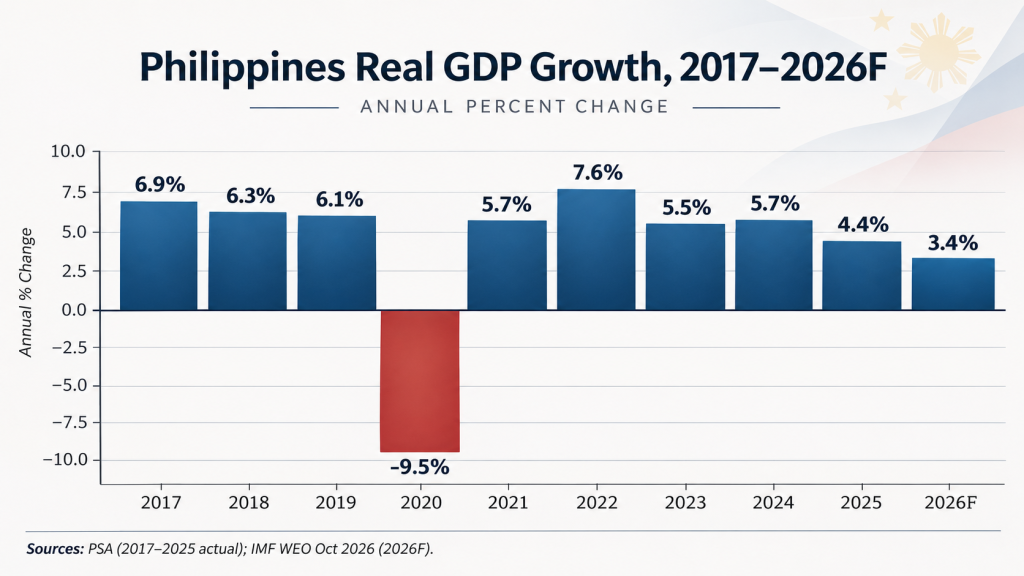
The latest economic figures are troubling. Philippine GDP growth slowed to just 2.1% in the third quarter of 2026, while inflation accelerated to 7.8% in October. Agriculture contracted, industry struggled, and household consumption weakened. While several factors contributed to the slowdown, these developments also expose deeper structural weaknesses that have been building for decades.
What concerns me most is that we have known about these weaknesses for a long time, yet we have done far too little to address them.
For more than a decade, I have had the privilege of working with and learning from my good friend and longtime collaborator, economist Dr. Alvin Ang. Through our many conversations, one concern I have repeatedly heard from him is our increasing dependence on services and consumption without a corresponding commitment to developing our productive capacities.
Even when our economy was growing, BPO was expanding, remittances were rising, and consumer spending was strong, Alvin was already emphasizing the importance of building our industrial base, strengthening manufacturing, and creating more productive employment. His concern was not that services were bad, but that our economic development was becoming dangerously unbalanced.
Looking at where we are today, I cannot help but think about those conversations. What seemed like a long-term economic concern more than a decade ago has become an increasingly urgent reality.
An Economy That Consumes More Than It Produces
Services now account for nearly two-thirds of our GDP, while agriculture contributes only around 8%. Our manufacturing sector, meanwhile, has struggled to achieve the depth and competitiveness demonstrated by several of our ASEAN neighbors.
There is nothing inherently wrong with a strong services sector. Our BPO industry has created millions of jobs, while overseas remittances have sustained countless Filipino families. We should appreciate these achievements, particularly the sacrifices of our OFWs.
But remittances and BPO revenues cannot substitute for a strong domestic productive economy.

We have become good at earning from the rest of the world and spending at home, but we have not become equally good at producing, manufacturing, and creating lasting economic value within our own country.
Countries such as Vietnam pursued a more deliberate strategy of strengthening manufacturing, attracting export-oriented investments, and developing industrial supply chains. While we expanded our services economy, they invested heavily in productive capacities that created factories, exports, and employment.
Our dependence on external sources of income also makes us vulnerable to global developments beyond our control. Geopolitical conflicts, rising energy prices, supply-chain disruptions, currency depreciation, and global recessions can quickly undermine economic stability. Even our successful BPO industry faces increasing disruption from artificial intelligence and automation.
The concern Alvin raised years ago is becoming more relevant: What happens when the external sources of income we have grown accustomed to can no longer expand as rapidly as before?
We cannot eliminate external shocks, but we can reduce our vulnerability by developing a more diversified and productive economy.
We Have Neglected Agriculture and Industrial Development
Our agricultural sector illustrates another serious failure in our development priorities. Despite our fertile land, natural resources, and hardworking farmers, we remain heavily dependent on imported food, particularly rice. Our inability to consistently improve agricultural productivity has weakened our food security and exposed Filipino households to higher prices whenever supply disruptions occur.
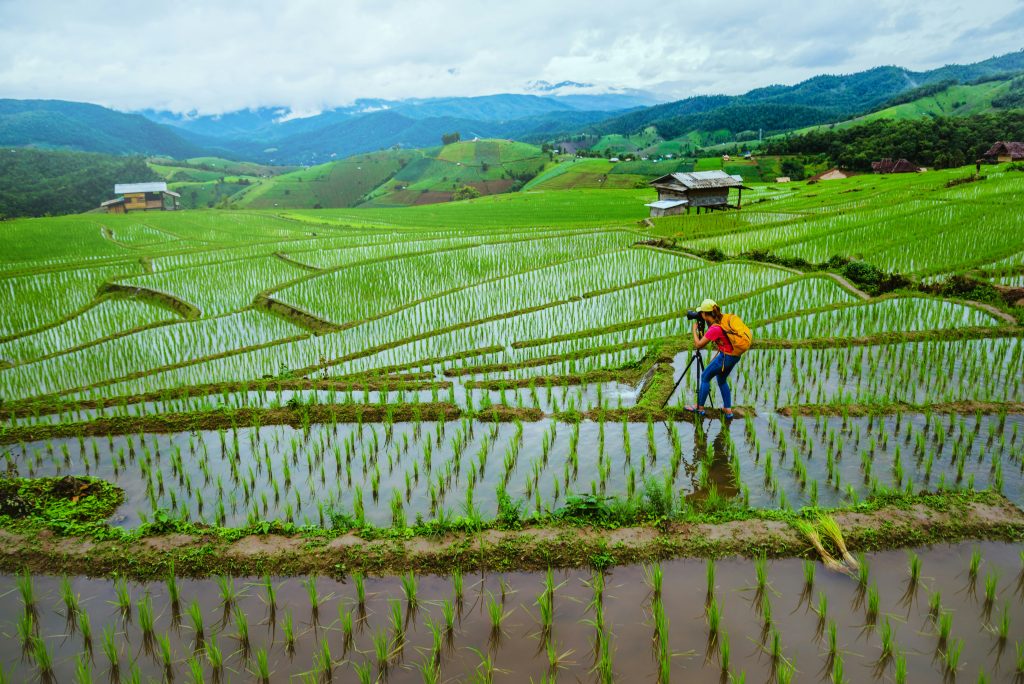
For decades, we should have invested more consistently in irrigation, mechanization, agricultural research, post-harvest facilities, cold storage, and logistics. We should have developed stronger connections between farming, food processing, manufacturing, and distribution.
Food security does not require us to produce everything domestically, but neglecting our agricultural capabilities while relying heavily on imports leaves us unnecessarily exposed.
Our industrial policy has suffered from similar inconsistencies. Different administrations have introduced investment programs, incentives, and development plans, but implementation has often lacked continuity, coordination, and long-term commitment.
The Tatak Pinoy Act and the country’s industrial strategy are encouraging developments. However, economic progress requires more than legislation and ambitious announcements. It requires sustained implementation, measurable outcomes, and institutions capable of delivering results regardless of political transitions.
In his more recent economic commentary, Alvin has continued emphasizing the need for credible investments in manufacturing, agribusiness, logistics, and higher-value services, supported by reliable electricity, better infrastructure, faster permits, and practical skills development.
These are not new ideas. What is frustrating is that we have understood many of the necessary reforms for years without consistently carrying them out.
We must also confront how we allocate public resources. Too much attention is consumed by politics, while corruption, questionable procurement, poorly planned projects, and weak accountability undermine the effectiveness of government spending. We cannot seriously aspire to become a competitive manufacturing economy when electricity remains expensive, logistics costs are high, infrastructure is inadequate, and regulations are often unpredictable.
The real measure of economic policy is not how much money we announce or spend, but how much productive capacity, opportunity, and lasting value we create.
Our Demographic Dividend Is Not Guaranteed
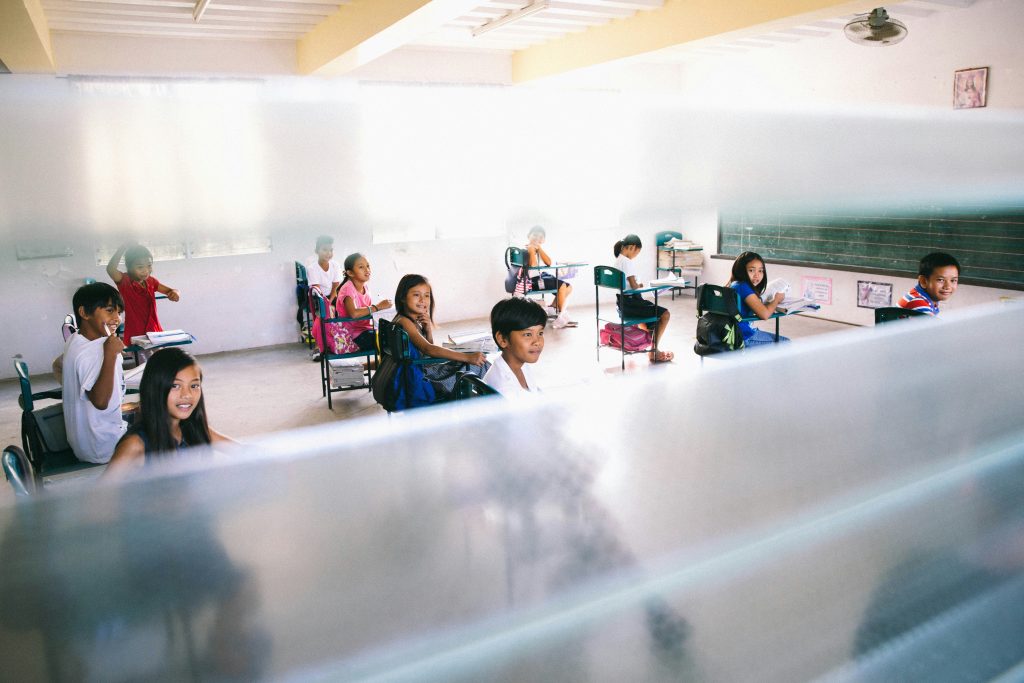
We frequently speak about our young and growing population as one of our greatest economic advantages. But a demographic dividend is not automatic. It requires a workforce that is educated, adequately skilled, healthy, and productively employed.
The 2025 PISA results showed encouraging improvements, but only 21% of Filipino students reached minimum proficiency in mathematics and 31% in reading. These figures should concern anyone who believes our future depends on competing in a more technologically advanced global economy.
We cannot build sophisticated industries, modern agriculture, or globally competitive enterprises without investing seriously in education, technical training, research, and innovation.
Our young population remains an enormous opportunity, but unless we develop its capabilities, that opportunity may never translate into the economic dividend we expect.
What Must Change?
We need to stop treating our economic challenges as problems that can be solved primarily through temporary subsidies, monetary adjustments, and consumption stimulus. These measures have their place, but they cannot replace meaningful structural reforms.
First, we need a consistent industrial development strategy that prioritizes industries where the Philippines can realistically compete, including electronics, semiconductor supply chains, food processing, pharmaceuticals, and other higher-value manufacturing activities. Investment incentives should reward actual production, technology transfer, productivity improvements, and meaningful employment.
Second, agriculture and food security must become genuine national priorities. Sustained investments in irrigation, technology, mechanization, financing, and distribution can improve productivity while helping farmers become more profitable.
Third, public spending must prioritize infrastructure that reduces the cost of doing business. Reliable energy, efficient transportation, modern ports, and digital connectivity are essential. These investments must be accompanied by transparent procurement and stronger accountability.
Fourth, education and workforce development must be aligned with our economic ambitions. We need better foundational education, technical and vocational training, and stronger partnerships between schools and industry.
Finally, we need policy consistency, coherent legislation, and stronger institutions. Economic development should not be reinvented every time political leadership changes. Businesses invest for the long term when policies are credible, regulations are predictable, and institutions function effectively.
Despite these concerns, I remain convinced that the Philippines has tremendous potential. We have talented people, natural resources, entrepreneurial capabilities, and a strategic location in one of the world’s most dynamic regions.
Our situation is serious, but it is not irreversible. However, potential alone will not build our economy. We need discipline, competence, integrity, and the willingness to make difficult decisions today for the benefit of future generations.
Beyond Economic Reform: We Need to Return to the Lord
There is something deeper that we must confront.
Having spent much of my professional life in finance, investments, and economic development, I recognize the importance of sound policies and strong institutions. But as I reflect on our country’s challenges through the lens of faith, I am increasingly convinced that our problems are not merely economic or political. They also reveal something about our values, priorities, and stewardship.
Greed, corruption, dishonesty, selfish ambition, and indifference toward the suffering of others are not simply failures of governance. They reflect the deeper problem of the human heart.
Proverbs 14:34 reminds us that righteousness exalts a nation, but sin is a reproach to any people.
I believe that what the Philippines needs is more than economic recovery. As a nation, we need to repent, turn back to the Lord, and earnestly seek Him in prayer.
In 2 Chronicles 7:14, God called His covenant people to humble themselves, pray, seek His face, and turn from their wicked ways. Although this promise was specifically given to Israel, it reminds us of the importance of humility, repentance, and dependence on God.
We need to acknowledge our failures, confront corruption, reject selfish ambition, and recover our sense of responsibility toward one another. But repentance cannot simply mean demanding that our leaders change. It must begin with us.
Have we tolerated dishonesty when it benefited us? Have we pursued personal prosperity without considering others? Have we allowed materialism and selfish ambition to influence our decisions?
True repentance requires more than expressing regret. It means turning away from what is wrong and returning to what honors God. It should transform how we govern, conduct business, fulfill our responsibilities, and steward the resources entrusted to us.

We also need to earnestly pray for our nation. Scripture urges us in 1 Timothy 2:1–2 to intercede for those in authority. Regardless of our political preferences, we should pray for our leaders to govern with wisdom, justice, integrity, and genuine concern for the people they serve.
We should pray for our economy, our businesses, our farmers, our workers, and the millions of Filipino families struggling to make ends meet. But beyond asking God for economic recovery, we should pray for transformed hearts, righteous leadership, stronger institutions, and the courage to pursue what is right.
Prayer is not a substitute for responsible action, and faith is not an excuse for poor stewardship. Rather, our dependence on God should compel us to pursue wisdom, integrity, excellence, and justice.
Psalm 127:1 reminds us, “Unless the Lord builds the house, those who build it labor in vain.”
We must continue working, planning, investing, and building, but we must recognize that lasting progress requires more than human wisdom and effort.
As I reflect on the warnings I have heard from Alvin over the years, I am reminded that some of the most important questions are also the simplest. Are we investing in the right things? Are we developing our people? Are we creating productive opportunities? And are we building an economy that can sustain future generations?
These are questions we should have addressed more seriously years ago. We can no longer afford to ignore them.
The Philippines does not lack potential. What we have lacked is the sustained commitment to develop that potential responsibly.
We need to move beyond an economy that primarily consumes toward one that creates, produces, innovates, and builds. But alongside these necessary reforms, we must also recognize our need for spiritual renewal.
Our nation still has an opportunity to change direction, but we cannot continue wasting time.
May we humble ourselves, repent of our sins, turn back to the Lord, and earnestly seek Him in prayer. May our repentance produce genuine change, our prayers lead to faithful action, and our faith strengthen our commitment to righteousness, justice, and responsible stewardship.
Ultimately, our hope is not in economic policies, political leaders, or national resources. Our hope is in the Lord, who remains sovereign over all things.
And as we trust Him, may we also have the wisdom, courage, and integrity to do what is right for our nation and the generations that will come after us.