The Risen King We Need
By Randell Tiongson on March 31st, 2026
As the nation and the world commemorate Holy Week, many of us are drawn again to the familiar images of Jesus that shaped our childhood and our religious imagination. Growing up in the Philippines, the image of Jesus that surrounded me was often tender, soft, and seemingly helpless. I saw Him as the Sto. Niño, smiling and childlike. I saw Him as the suffering Christ, bloodied, bruised, and hanging on the cross. These images have long been woven into Filipino religious culture, and they have stirred devotion and emotion in countless hearts. But over the years, I have had to wrestle with a necessary question: Is this the full picture of Jesus according to Scripture?
The answer is no.
To be clear, Jesus truly was born as a child, and He truly suffered for our salvation. We must never belittle the wonder of the Incarnation or the horror and beauty of the cross. But if we stop there, if our vision of Christ is limited to the cradle or frozen at Calvary, we miss the fullness of who He is. We end up with a partial Christ, and a partial Christ cannot form a whole disciple. The gospel does not end with a baby in a manger or even with a dying Savior on a cross… the gospel moves through the empty tomb, the ascension, the enthronement of Christ, and the promise of His return. Jesus is not only the suffering Savior, He is the risen, reigning, and victorious King.
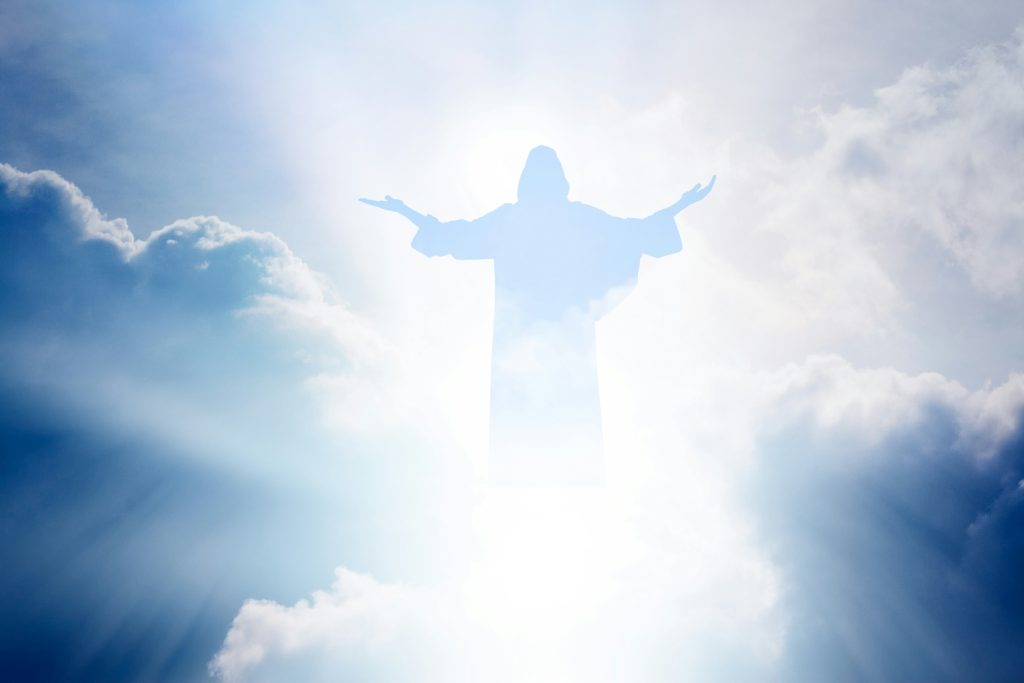
That matters deeply, especially during Holy Week. This season is not only a time for solemn remembrance, it is also a proclamation of mission and victory. Jesus did not merely come to suffer. He came to inaugurate the Kingdom of God, to defeat the works of the devil, to break the power of sin and death, and to reconcile all things to Himself. The cross was not the tragic end of a noble life, it was the decisive victory of God through apparent weakness. This is the beauty of what theologians have often called Christus Victor. On the cross, Jesus was not simply a passive victim, He was the conquering King who, through His death, disarmed the powers of darkness and triumphed over them. And in the resurrection, that victory was declared openly before heaven and earth.
Resurrection is not an appendix to the gospel, it is central to it. Without the resurrection, the cross would only leave us with grief and admiration. But because Jesus rose from the dead, we now know that sin does not have the final word, death does not have the final word, and the brokenness of this world does not have the final word. The resurrection is God’s declaration that the Kingdom has broken into history in power. It is the announcement that Jesus is Lord, that the new creation has begun, and that His people are now called to live as witnesses of that victory in the world.
When I look at our context, I sometimes wonder if part of the reason many people remain attached only to the baby Jesus or the suffering Jesus is because those images feel safer. A child does not confront us, a suffering Christ may move us emotionally, but a risen and reigning King demands something more. He demands repentance, allegiance, obedience, and surrender. He does not merely ask for sympathy, He calls for discipleship. He does not simply want to comfort our sentiments, He calls us to take our place under His rule and participate in His mission.
I believe we need to recover the whole Christ. We need to see Jesus not only in His humility, but also in His majesty. We need to honor not only His suffering, but also His triumph. We need to remember that the Lamb who was slain is also the Lion who reigns. Scripture will not allow us to reduce Jesus to a sentimental figure who exists only to meet our emotional needs. The risen Christ stands at the center of history as King of kings and Lord of lords. He has conquered sin, Satan, and death. He is now reigning, and one day He will return to bring the fullness of His Kingdom to completion.
This should change the way we live. A faith shaped only by the image of the baby Jesus may remain immature, faith focused only on the suffering Christ may remain trapped in guilt and sorrow… but a faith anchored in the crucified and risen King learns to walk in hope, courage, and resurrection power. We do not serve a defeated Messiah, we serve the living Christ, who now sends His people into the world with the authority of His name and the power of His Spirit.
There is profound implications for our mission. The resurrection means that the Church is not merely preserving a tradition or maintaining a religious institution. We are participating in the mission of the risen Christ, who is making all things new. We are called to proclaim not only forgiveness of sins, but also the Lordship of Jesus over every sphere of life. We are called to live under His Kingdom now, to reflect His rule in our homes, our work, our relationships, and our witness. Holy Week is not only about looking back at what Jesus endured. It is about looking up to the enthroned Christ and moving forward in the power of His resurrection.
When I think about my own life, my struggles, and the many problems that confront our nation and our world, I realize I need more than a tender image or a sentimental religious symbol. I need the living Christ, I need the King who has overcome. I need the One who not only died for me, but now reigns over me and empowers me to live for His glory. I need the Jesus who saves, rules, sends, and will one day return.
So as we commemorate Holy Week, let us remember the fullness of Christ. Let us cherish the wonder of the Incarnation, let us never make light of the suffering of the cross, but let us also lift our eyes higher. Let us see the risen Christ in His glory, let us behold the victorious King who has inaugurated His Kingdom, defeated the powers of darkness, and commissioned His people to make Him known.
When we see Jesus in the fullness of who He is, our worship deepens, our hope strengthens, and our discipleship becomes more whole. We do not merely feel devotion toward Him. We gladly bow before Him. And as we do, our lives begin to reflect not only gratitude for His sacrifice, but also confidence in His victory and commitment to His Kingdom.
That is the Jesus the world needs to see. That is the Jesus the Church must proclaim. And that is the Jesus we are called not only to admire during Holy Week, but to follow all the days of our lives.