God’s Silence, God’s Presence: Finding Faith in a Broken World
By Randell Tiongson on March 10th, 2026
I just attended Staff Devotional in Victory BGC, and Pastor Brandel Manalastas discussed “Theodicy”. I know it sounds like one of those deep theological words that belong in seminary classrooms, but it really touches everyday life. Simply put, theodicy is our attempt to make sense of why a good, loving, and sovereign God allows evil, suffering, and injustice in the world. It is the question we ask when life hurts and the world seems unbearably broken. If God is good, why is there war, corruption, abuse, betrayal, sickness, and grief? That is theodicy in a very real and relatable sense.
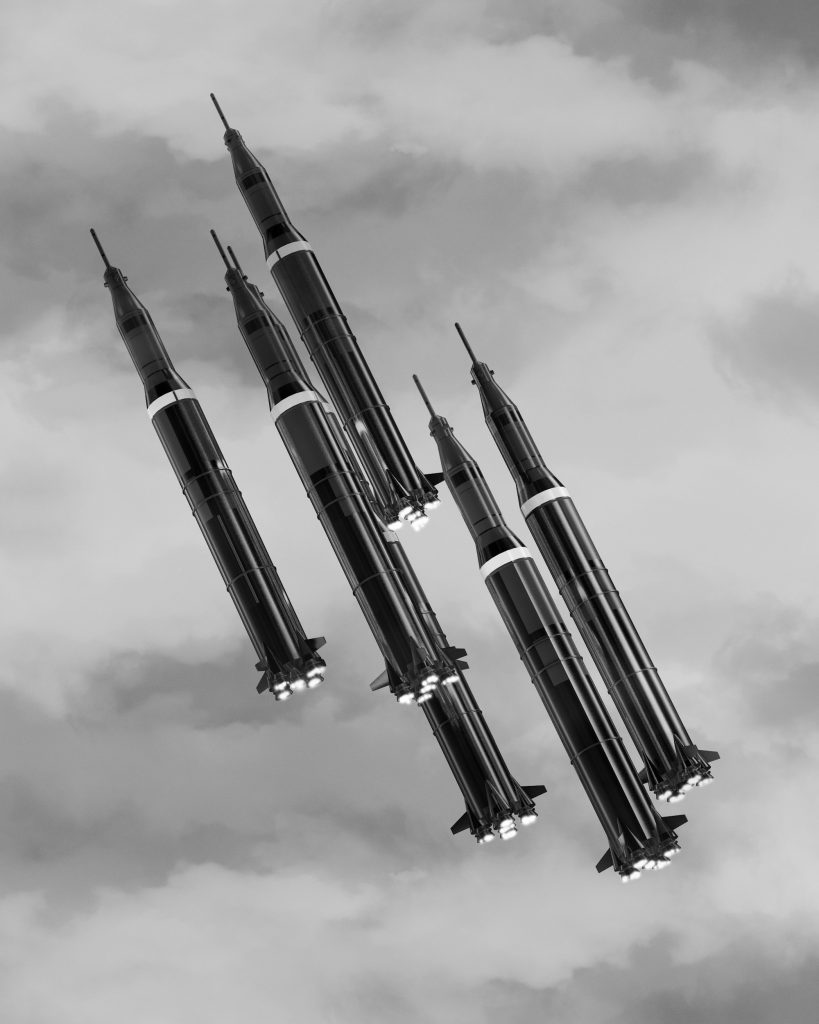
That question becomes even heavier when we look around us. We see the current conflict in the Middle East and the devastation it leaves behind (and the effect it will have with the rest of the world). We hear about powerful men using influence, money, and secrecy to protect wickedness. We witness unbelievable corruption much closer to home. Then there are the quieter pains that never make the news… a family conflict, a betrayal, a diagnosis, a financial setback, a prayer that seems unanswered, season when life simply does not make sense.
This is why theodicy matters, it is not theoretical, it is personal and it confronts us with the tension between what we know about God and what we experience in the world. We confess that God is good, wise, holy, just, and sovereign. Yet we live in a world where evil is real, suffering is intense, and justice often appears delayed.
What I appreciate about Scripture is that it does not silence this struggle. The Bible gives us language for lament. The psalmist cries, “How long, O Lord? Will you forget me forever?” (Psalm 13:1, ESV). Habakkuk looks at violence and injustice and asks why God seems to tolerate wrongdoing. Job suffers in ways that defy simplistic explanations. Psalm 73 wrestles with the prosperity of the wicked. In other words, the Bible does not shame us for asking hard questions. It teaches us to bring them before God.
Faith is not pretending evil is small, faith is not denying pain, real biblical faith is honest enough to lament and strong enough to trust. It looks evil in the face and still says, God is good, even when I do not yet understand.
One of the reasons theodicy feels so difficult is because we often want neat explanations for messy realities. We want God to show us the entire blueprint and we want a direct answer for every wound and every injustice. But many times, God does not give us a full explanation. Instead, He gives us His presence. He gives us His promises. He gives us Himself.
For me, that is where the theology of the cross becomes so important. The Christian response to evil is not merely an argument, it is a Person. At the center of our faith is not a detached God, but a crucified Savior. Jesus did not remain far from human suffering, He entered it, He stepped into our world of violence, betrayal, injustice, sorrow, and death. Isaiah calls Him “a man of sorrows and acquainted with grief” (Isaiah 53:3, ESV). At the cross, we see the depth of human evil and the depth of divine love at the same time.
The cross tells me that God is not indifferent to suffering. He is not cold, He is not removed. In Christ, He absorbed sin’s penalty, bore injustice, and entered the darkest places of human pain. The worst evil ever committed, the unjust execution of the sinless Son of God, became the very means by which God accomplished salvation. That does not make evil less evil. It means evil does not have ultimate sovereignty, God does.
This changes the way I look at the brokenness around me. Evil is real, but it is not final. Corruption is real, but it is not ultimate. War is real, but it will not have the last word. Death is real, but it has been defeated in Christ. Romans 8 reminds us that creation itself is groaning, waiting for liberation and renewal (Romans 8:20–23, ESV). The world is not the way it is supposed to be, but God is not abandoning creation. He is renewing it.
That gives me deep hope. The biblical story is not about escaping the world, but about God redeeming and restoring what sin has broken. The resurrection of Jesus is the beginning of that renewal. Christ is making all things new. That means Christian hope is not only personal, it is cosmic. God is renewing creation, and by His grace, we are part of that renewal.
That truth is both comforting and challenging. It comforts me because it reminds me that history is not spiraling aimlessly because God is at work. But it also challenges me because it means I cannot respond to evil with mere commentary. If God is renewing creation, then I am called to participate in that renewal here and now.
That means we do not merely complain about corruption; we live with integrity. We do not merely grieve injustice; we pursue justice. We do not merely shake our heads at the darkness; we become agents of light. Whether in ministry, business, family, leadership, or community life, we are called to live as signs of the coming kingdom.
And yet we do all this with humility, because we know we are not the saviors of the world… Jesus is. We participate, but He is the King. We labour, but He brings the kingdom in fullness.
That is why eschatological hope matters so much. Jesus will return, judge evil fully and finally, and consummate His kingdom. One day, every hidden sin will be exposed, every corrupt system will fall, every act of injustice will be answered, every tear will be wiped away and death will be no more. The world will be renewed under the lordship of Christ.
So when I reflect on theodicy, I do not arrive at a tidy formula, I arrive at deeper trust. I trust that God is good, even when the world is not. I trust that God is just, even when justice feels delayed. I trust that God is present, even when He feels silent. I trust that the cross proves His love, the resurrection guarantees His victory, and the renewal of creation secures our future.
And because of that, I want to live faithfully in the present. I want to be part of God’s renewal here and now. In a world full of groaning, I want to be found participating in grace. In a world darkened by evil, I want to be found bearing witness to the light. In a world longing for restoration, I want to be found serving the King who is making all things new.