Breaking the Cycle of Poverty
By Randell Tiongson on March 23rd, 2026
I have come to realize over the years that poverty is not merely an economic condition, but often a generational pattern that quietly passes from one family to the next through habits, mindsets, and daily decisions. Unless someone intentionally chooses to interrupt that pattern, it continues almost unnoticed, shaping the future of children long before they are even aware of it.
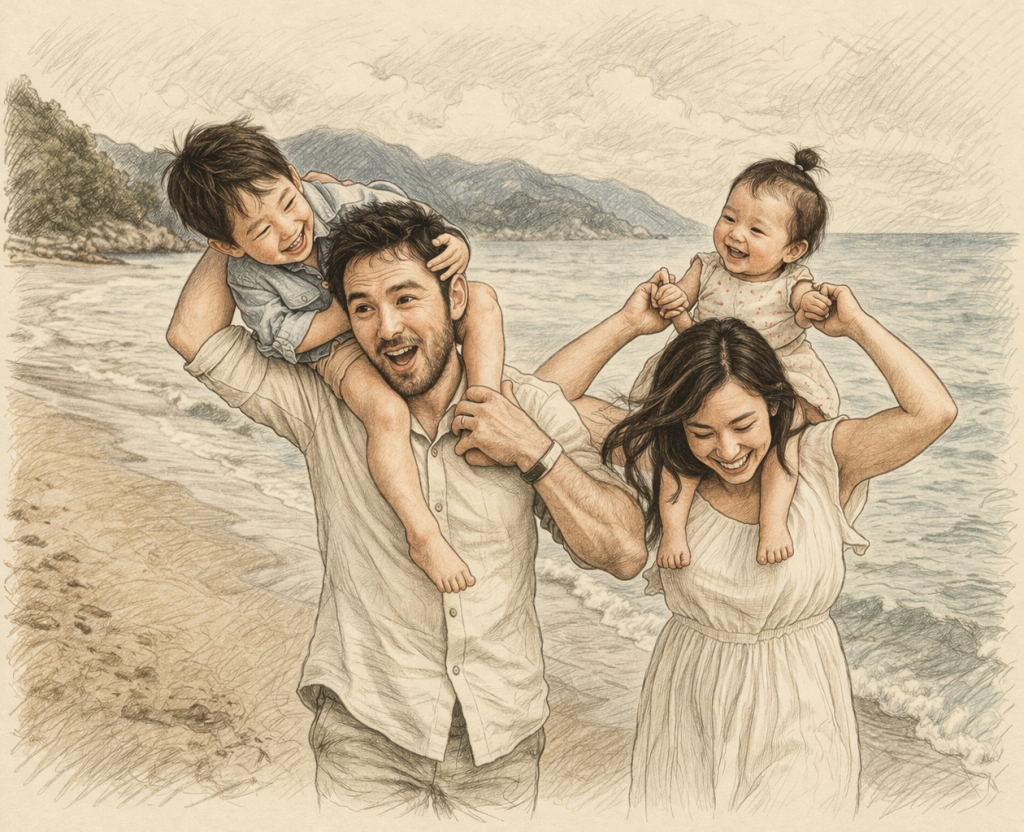
For many Filipino families, poverty is not the result of laziness or a lack of love. Our parents worked hard, made sacrifices, and endured hardships for the sake of their children. However, what was often missing was not effort, but direction. There was little access to financial literacy, long-term planning, or a clear vision that extended beyond simply surviving from one paycheck to the next. As a result, many families remained trapped in a cycle where hard work did not necessarily translate into lasting progress.
This is why the role of parents today carries both a sobering weight and a hopeful opportunity, because we are not just raising children, we are shaping the trajectory of generations. Every financial decision we make, every habit we form, and every value we model contributes to the kind of future our children will inherit.
Breaking the cycle of poverty rarely happens through dramatic, overnight change, but rather through consistent and intentional choices made over time. It is seen in a parent who chooses discipline over impulse, who resists unnecessary debt, who commits to saving regularly and investing wisely, and who learns to live within their means even when culture encourages otherwise. It is also seen in parents who take the time to teach their children not only how to earn money, but how to steward it with wisdom and purpose.
These decisions may seem ordinary, but their impact is anything but ordinary, because they shape the culture of the home and the mindset of the next generation. When a parent learns to budget, they raise a child who understands self-control and intentionality. When a parent invests, they raise a child who learns to think long-term rather than living only for the present. When a parent gives generously, they raise a child who understands that money is not the goal, but a tool for something greater.
Scripture reminds us that this kind of generational thinking matters deeply to God:
“The good leave an inheritance to their children’s children…”
— Proverbs 13:22 (ESV)
This inheritance goes far beyond financial assets, because it includes values, habits, and a way of seeing the world that will shape decisions for decades to come.
From a kingdom perspective, breaking the cycle of poverty is not about the pursuit of wealth for its own sake, but about faithful stewardship. It is about creating margin and freedom so that a family is no longer bound by financial pressure, but is instead positioned to obey God fully, to give generously, and to serve others without limitation. When parents begin to see money as a resource entrusted by God rather than a source of security, everything begins to change.
In my own journey, I have seen how one generation’s decisions can either limit or liberate the next. A lack of discipline, planning, and stewardship can quietly pass on struggle, while wisdom, intentionality, and faithfulness can open doors of opportunity that extend far beyond one lifetime. What we practice today becomes what our children normalize tomorrow.
The encouraging truth is that you do not need to come from wealth to begin building a different future. What you need is conviction, clarity, and the willingness to be faithful in the small things. By God’s grace, you may not be able to change where you started, but you can certainly influence where your children are headed.
Breaking the cycle of poverty is not accomplished in a single decision, but through a lifetime of consistent, God-honoring choices. It is a quiet, faithful work that may not always be seen immediately, but over time it builds a legacy of freedom, stewardship, and purpose that can bless not just one generation, but many.