My Next Book: Blue Chip – Raising Financially Smart Kids
By Randell Tiongson on November 24th, 2025
I am excited to share something that has been quietly growing in my heart for many years. After months of writing, rewriting, praying, reflecting on our family story, and gathering the lessons the Lord has taught me as a father and grandfather, my next book is finally done. Blue Chip: Raising Financially Smart Kidshas now entered the editing stage. Once editing is finished, it moves to layout, then to the printer. God willing, you can expect it to be available toward the end of the first quarter of 2026.
Writing this book has been one of the most personal projects of my life. It is not simply a book about money. It is a book about parenting. It is a book about faith. It is a book about legacy. And more than anything, it is a book about the grace of God that transformed our home and shaped the lives of our children.
When I first became a father, I did not have a deep understanding of stewardship. My early decisions were shaped by pressure, culture, and emotion. But when I met Jesus at forty, everything changed. The Word of God reshaped my thinking. Little by little, our family learned what it means to manage God’s resources, make wise decisions, build habits, and raise children who understand both discipline and dependence on God.
This book comes from that journey. It is filled with stories of laughter, mistakes, breakthroughs, and the conversations that shaped our children into the adults they are today. It is filled with lessons that Mia and I learned the hard way, hoping that other parents can learn them the easier way. It is filled with practical tools for parents who want to raise children who are not consumed by the culture but guided by wisdom.
More importantly, this book is filled with hope. Parenting can be overwhelming. Teaching kids about money can be confusing. But the good news is this: you do not need to be a financial expert to raise financially wise children. You only need to be faithful, intentional, loving, and willing to grow with your kids.
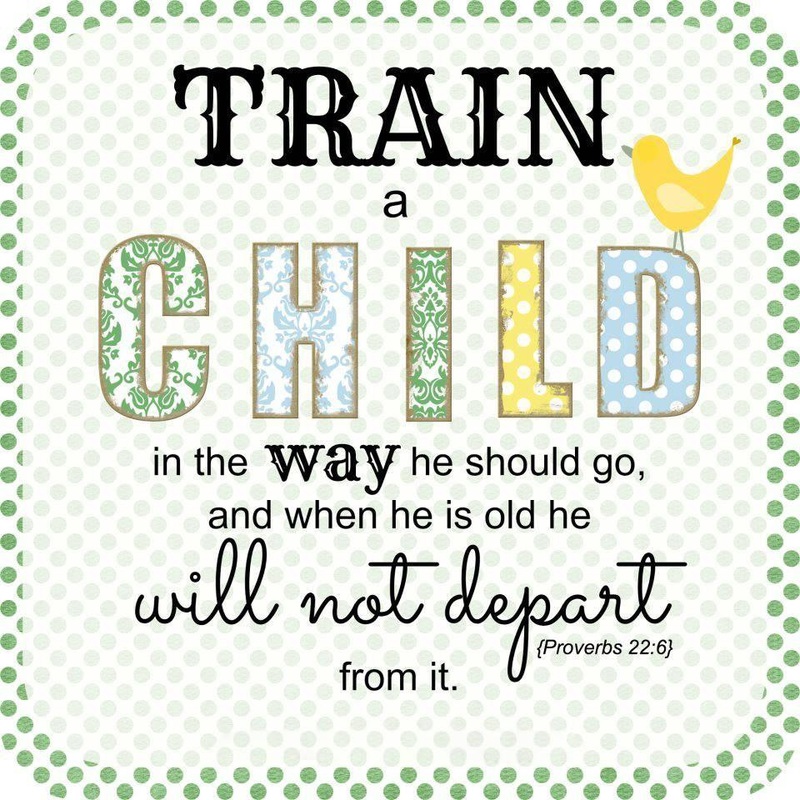
Scripture reminds us in Proverbs 22:6, “Train up a child in the way he should go, and when he is old he will not depart from it.” This truth has shaped our family. You do not shape your children’s future in one moment, but over many small, intentional ones. Every conversation, every example, every decision becomes a seed.
And God is faithful to grow the seeds we plant.
Blue Chip teaches parents how to guide children toward wisdom in a world filled with distractions. It covers values, habits, conversations, discipline, generosity, stewardship, and the gospel that anchors everything. It is my prayer that this book becomes a companion for families who want to raise children who will carry faith, wisdom, and strong foundations into the next generation.
As we prepare the manuscript for layout and printing, my heart is full of gratitude. I pray it encourages, equips, and strengthens you as a parent. I pray it reminds you that it is never too early to teach wisdom and never too late to build legacy. And I pray it gives you confidence that God can do extraordinary things in your home.
Psalm 127:3 says, “Children are a heritage from the Lord.” That means they are a trust, a gift, and a calling. And by His grace, we can raise them well.
Thank you for journeying with me. I cannot wait to place this book in your hands soon.
Teaching your kids the value of money
By Randell Tiongson on January 30th, 2018
Question: Hi Randell. I’m a mom of two kids—a 3-year-old girl and a 4-month-old baby. I know that they’re still too young to understand what money is, but my husband suggested that we already start teaching them the value of money. I think this is a good thing. Soon, they will be in school and I want them to use their allowance wisely. What’s the best way to do this?—Dina, from Facebook
Photo from http://chillmaadi.com/
Answer: Dina, I’m glad you’re already thinking about how to pass on important money lessons to your kids—especially since money management is not part of the typical school curriculum. As a parent, your kids will look up to you for these important financial lessons. In fact, research says that kids start inheriting money habits from their parents as early as 7 years old. Early childhood is a great opportunity to pass on healthy attitudes towards saving and investing.
Your kids are indeed young, but if your 3-year-old is old enough to count, then she is old enough to start learning about money. Start by sneaking in some money lessons in a playful manner. For example, nursery rhymes are a great way to start instilling a money mantra. Create a simple rhyme like, “See a coin? Save a coin!” and mimic the act of putting a coin in a piggy bank. Your little girl might not understand what this means right now, but just like “Mary had a little lamb,” this could stick with her for life.
Storybooks are another great way to pass on positive financial habits. I recommend Rose Fres Fausto’s The Retelling of the Richest Man in Babylon, which is a story and activity book that teaches kids the basic laws of money. Go through the activities with your daughter—it’s a great reminder to adults just how simple these laws are.
By the time your kids are old enough for kindergarten, they can already have their own bank account. This will be important in terms of teaching them how to save, and teaching them that money should be protected. At this age, kids don’t understand abstract concepts like mobile deposits. So you need to make the lesson stick by having them do tangible interactions.
Bring the kids to the bank and encourage them to hand the money to the teller while making the deposit. Show them the bank book and explain that this money can grow if they leave it in the bank and don’t withdraw anything. Help them understand that these are savings they can someday use to buy a car or go to college.
Once your kids are in grade school, you can build upon these financial fundamentals by setting mid-term goals—the kind that requires a bit of discipline and teaches sacrifice. For example, if your child wants to buy a bike, explain that she needs to set her allowance aside for a few weeks in order to afford it. To boost her motivation, you can track progress with a visual graph.
Bringing the kids when you do the groceries offers great opportunities to teach smart financial decision-making. For example, you can compare several brands of cereal, and show that the imported ones taste just like locally made ones—but costs twice as much. And that’s why you won’t buy it. When your kids are older, you can give them a budget and a grocery list, then divide and conquer supermarket duties.
Introducing the benefits of charity and tithing is also a good way to teach healthy money habits. Encourage your kids to donate part of their allowance to a charity or non-profit and encourage them to tithe as this make them understand the value of stewardship. You can also volunteer your time as a family, or hold a birthday party in an orphanage. Doing charity work at a young age develops the core value of sharing their wealth to others in need, while teaching them to appreciate the material goods they have. Teaching them that all their money belongs to the Lord will do wonders on their financial behaviors in the future.
For these strategies to be effective, you and your husband need to be good financial role models to your kids. Your words and actions should not contradict each other, especially while your kids are young. For instance, if you tell your daughter she can’t buy a toy because it’s too expensive, and you turn around and buy something for yourself, it sends her the wrong message. Remember, in parenting things are caught, not taught.
Besides teaching your kids how to save and budget, it’s important to pass on a healthy attitude towards money. Giving the impression that you’re struggling to feed the family can instill a fear of money in young kids. Avoid sighing when you open your credit card bill or complaining when you take your wallet out to pay for something. Choose your words carefully. Emphasize that when used carefully, money can be a valuable tool to a good life.
It’s never too early to start teaching kids the value of money, and I’m glad you and your husband are already thinking of how best to do this. I’m confident that you will do a fine job in raising money-smart kids.
“Train up a child in the way he should go; even when he is old he will not depart from it.”—Proverbs 22:6, ESV
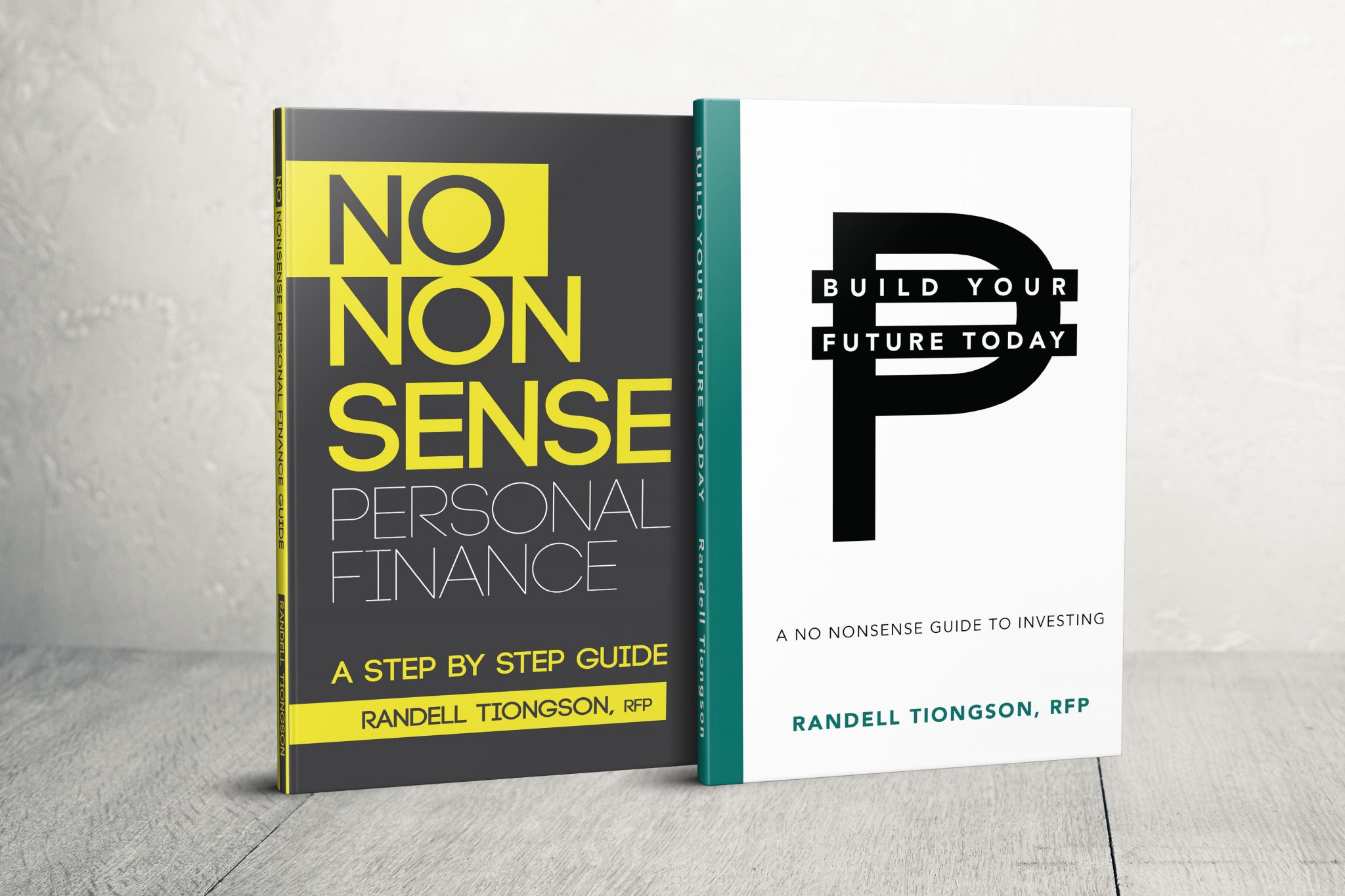
Want to get a copy of my books that are great for your older kids? E-mail michael@randelltiongson.com to order.
10 Money Principles Kids Should Learn
By Randell Tiongson on February 8th, 2016
Albert Einstein and personal finance – the two are rarely used in the same sentence. But the man behind the theory of relativity said one of the most basic yet essential quotes when it comes to money – “Compound interest is the 8th wonder of the world. He who understands it, earns it; he who doesn’t, pays it.” Well, it isn’t really clear if Albert Einstein actually said it but compounding interest is really a cool thing.
Compound interest is interest added on interest. A 10% yearly interest on Php 100 is not Php 10 every year. This is because of compound interest. In the second year, the Php 100 grows to Php 110 and 10% of that is Php 11. When it comes to finances, the earlier you start saving and investing, the higher the potential of compound interest because of the longer timeline. This means younger folks have, if they start saving and investing early, the upper hand when it comes to finances. This is where parents come in.
Personal finance, even just the basics, should be taught to kids and teenagers. To make this more fun, you can give bonuses and incentives from time to time, such as doubling the amount of money your kids save in X months or giving your teenagers a stock market challenge where the one with the most profits earns a prize.
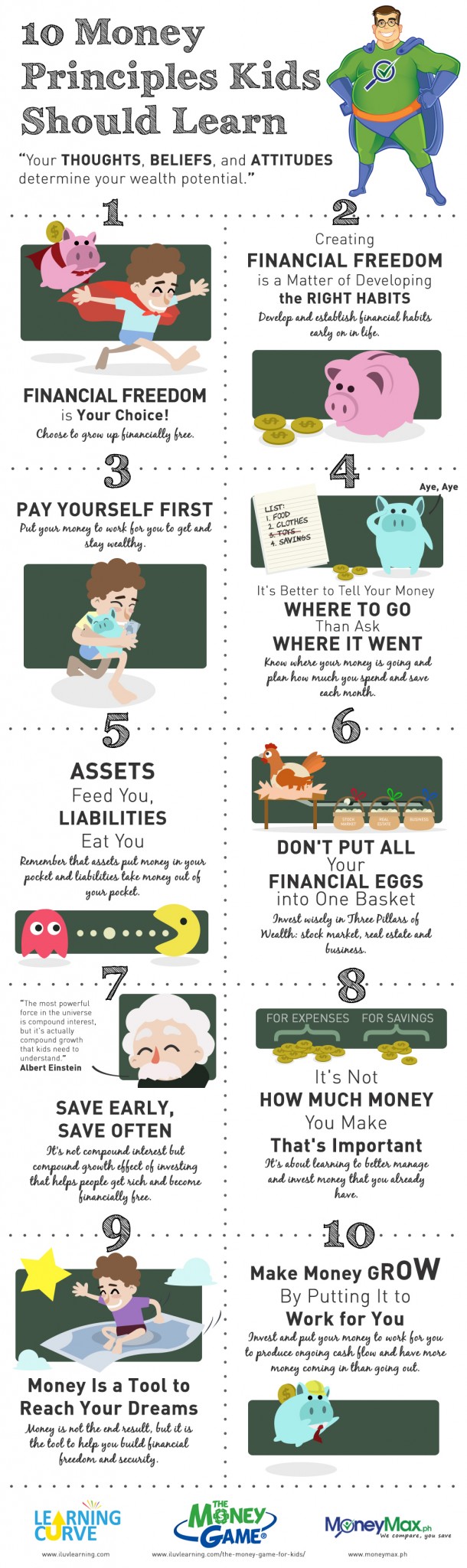
Aside from compound interest, what are other money principles kids should learn? Look no further. MoneyMax.ph, a Philippine comparison portal for financial products such as loans and credit cards, created an infographic on 10 money principles kids should learn:
From creating proper money habits to practicing both saving and earning, the 10 principles above are sure to give your children a head-start when it comes to their finances. The earlier your kids start, the more time they have to learn, practice, and live the above-mentioned lessons for a healthier financial life for both them and you, as their parents.
To share what we do, my wife and I have been teaching our kids 3 basic money principles whenever they get some money: SAVE, SPEND, GIVE — principles that are truly important life skills for them to have.
Let us teach our children be wise, to love others and most importantly to love God and they will be set for life.
Train up a child in the way he should go; even when he is old he will not depart from it. (Proverbs 22:6, ESV)
—————–
Get a copy of my inspiring book and be encourage with your journey towards financial freedom!
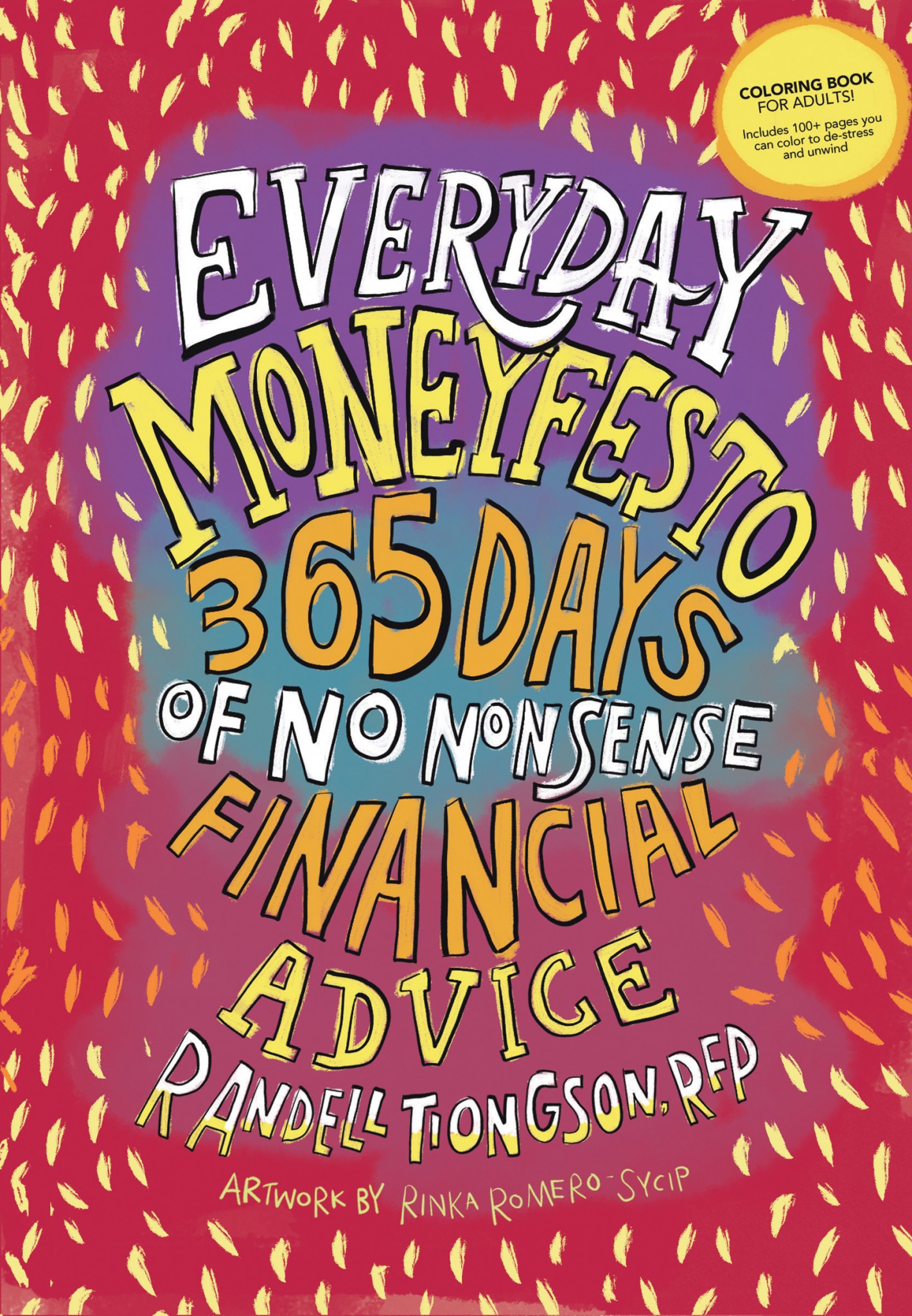
Everyday Moneyfesto: 365 Days of No Nonsense Financial Advice is a unique book that focuses on financial wisdom. It is a book that will guide you, motivate you and inspire you on a daily basis to help you achieve financial peace.
Other than my daily advices, the book also shares the financial wisdom from the biggest names like Francis Kong, Bo Sanchez, Marvin Germo, Efren Cruz, Chinkee Tan, Coney Reyes, Miriam Quiambao, Rex Mendoza, Ardy Abello, Edric Mendoza, Salve Duplito, Alvin Ang, Dennis Sy, Jayson Lo and many more!
This is a unique book where you can also show your creativity with over 100 pages which you may want to color, featuring artwork by Rinka Romero-Sycip.
Be one of the first to get a copy of this life-changing and empowering book for only P300.00 per book (compact edition) and for a limited period, shipping is for free for Metro Manila orders. For provincial orders, please add P100.00.
To order, follow these easy steps:
Deposit payment to BPI 0249-1113-09 under John Randell Tiongson
Send a photo of the deposit slip to michael@randelltiongson.com along with your complete address and contact number.
Wait for your book/s in a couple of days.
Want to learn how to manage your finances better?
Register now and get a free copy of my e-book. Start your financial planning journey today!