2015 Outlook
By Randell Tiongson on January 6th, 2015
 The Philippine economy has been performing admirably in the last 3 years or so. Most macroeconomic indices, stock market, and many other indicators confirms how the country is faring economically speaking. Spending power of the Pinoy has also gone up as evidenced by more robust trade and higher consumption. As in previous years, the OFW and the BPO sectors have been a big positive factor with regard to economic activity and income building but there has been growth in other sectors too such as manufacturing, services and tourism. Unfortunately, the agriculture sector seems to be a laggard, which is unfortunate because the bulk of our unemployment is agrarian in nature. There are a lot more room for improvement and we just scratching the surface in unlocking the true potentials of this beloved nation. The continuous credit upgrades we have been seeing is a testimony to what we have done and we can do in the future.
Will 2015 see the same trend of the past years? Many of us believe so. The momentum of the nation is in full gear and we can build on many of our accomplishments. A lot of concerns has been raised with the coming 2016 elections. Clearly, the next administration will be crucial in the sustainability of our growth trajectory. However, we also believe that the reforms instituted by the Aquino administration and the previous ones will play a big role with regard to our economic performance and can safeguard our gains regardless of whoever runs the nation after 2016. In fact, the credit raters feel that our growth will continue beyond 2016 which is why they are giving us the upgrades.
Beyond the OFW remittance, growth in the BPO sector, renewed vigor in the manufacturing, tourism and services sectors, what can we expect from 2015? In 2015 there are exciting things for us to look forward to – the integration of the member-countries of the Association of Southeast Asian Nations and our entering the demographic sweet spot’, among other things.
Asean integration will begin in 2015, and the creation of an economic community will give us many opportunities depending on how we handle ourselves. There are sectors where we will have competitive edge over our neighbors, but there are also sectors where we will be at a disadvantage.
The demographic ’sweet spot’ is the period when the majority of the population of the country reaches its most productive stage: between 15 and 65 years old. Studies have shown that countries that enter this ’sweet spot’ experience the highest economic growth in their history. The experiences of Japan, Korea, Hong Kong, Singapore and China support this theory. Our demographic ’sweet spot’ starts in 2015 and will run for about 30 years or until 2045.
As in previous years, I will be featuring the 2015 Outlook of many experts whom I admire and whose opinions I trust. The views will be coming from a diverse field – from investment analysts, economists and others from the financial services arena. Make sure you visit this site often as I will be putting up their views regularly in the next two weeks.
As we remain bullish with 2015 and the coming years, it is always a good idea to be optimistic but with a dose of caution. Continue to be prudent with the way you handle your money – diversify your wealth and make sure you understand the risks in any endeavor you are getting into.
Further, may we not forget that all these are blessings from the Lord. After all, wealth, and the ability to create wealth come from the Lord; and it is not for our purpose but for His.
———–
You can still avail my books with discounted bundles up to January 7, 2015. Click HERE for details.
Achieving your financial goals
By Randell Tiongson on December 29th, 2014
 QUESTION: I already have my financial goals but I am having a hard time achieving them, or even starting on them. What should I do?—name withheld upon request
Answer: There are many reasons why you are having difficulty. But I think the biggest reason is not having the right behavior. Personal finance guru Dave Ramsey says finance is 80 percent behavior and only 20 percent skill, and I agree with that 100 percent.
Your quest to achieve your financial goal is a big step in the right direction, and that should be backed up with consistent behavior.
The most important behavior that you need to watch out for is that in money management, and this is where a lot of people fail because it is a daily task. People do not get into a financial mess overnight, they do so with wrong behavior done on a daily basis. Spending and saving money are behavior concerns and not skills. Let’s break it down for better illustration: To achieve your financial goals, you need to invest properly. To invest properly, you need to save properly. To save properly, you need to spend properly. To spend properly, you need to earn properly. While investing is a skill, earning, spending and saving are all about behavior.
Here are some simple and practical tips:
1) Create a practical budget and stick to it. Have a spending plan. As your receive your income, you should already know where it will go. When preparing a budget, it is best for you to identify those that are needs and those that are wants so that when there is a need to make adjustments, adjust from your wants, not the needs.
2) Make savings automatic. The phrase ‘pay yourself first’ is one of the most helpful personal finance tips ever. Your budget will let you know how much you can set aside on a regular basis and when you know the amount, set it aside regularly. A 20- to 30-percent savings rate is an ideal target. You can also enroll your bank account into an auto-debit arrangement.
3) Invest small amounts regularly. Most people make the mistake of waiting for their savings to grow substantially before investing it. However, many will never get into investing because they keep on waiting for their savings to grow, but it never does because there is always the temptation to use the money every time we see it grow into something sizeable.
A number of people are not aware that they can invest small amounts. When done regularly and consistently, these amounts can grow into hefty sums someday. Some banks and mutual funds accept investments as low as P1,000 a month that can be invested in long-term instruments. Just make sure that you have emergency funds set aside before you invest. Once you invest, forget about it so that you will not be tempted to pull it out before you hit your objectives.
4) Study. It is always a good idea to learn about finance and investments. So go buy a personal finance book, attend a finance seminar, read blogs and posts. Learning helps you get motivated and to be on track with your goals. It’s not rocket science but you will need to do some studying. It can be a big help in the future. By studying, you will also surround yourself with financially-able individuals who can hold you accountable to your goals.
Don’t worry, there is still time for you to achieve your goals. But make sure that you begin with the change in behavior.
“Good planning and hard work lead to prosperity, but hasty shortcuts lead to poverty.”— Proverbs 21:5, NLT
Happy New Year to all!
Discounted bundles: EXTENDED!
By Randell Tiongson on December 26th, 2014
Due to numerous request and to the limited banking days, the promo for the discounted bundles have been extended! Special offer for my books will be until January 7, 2015!
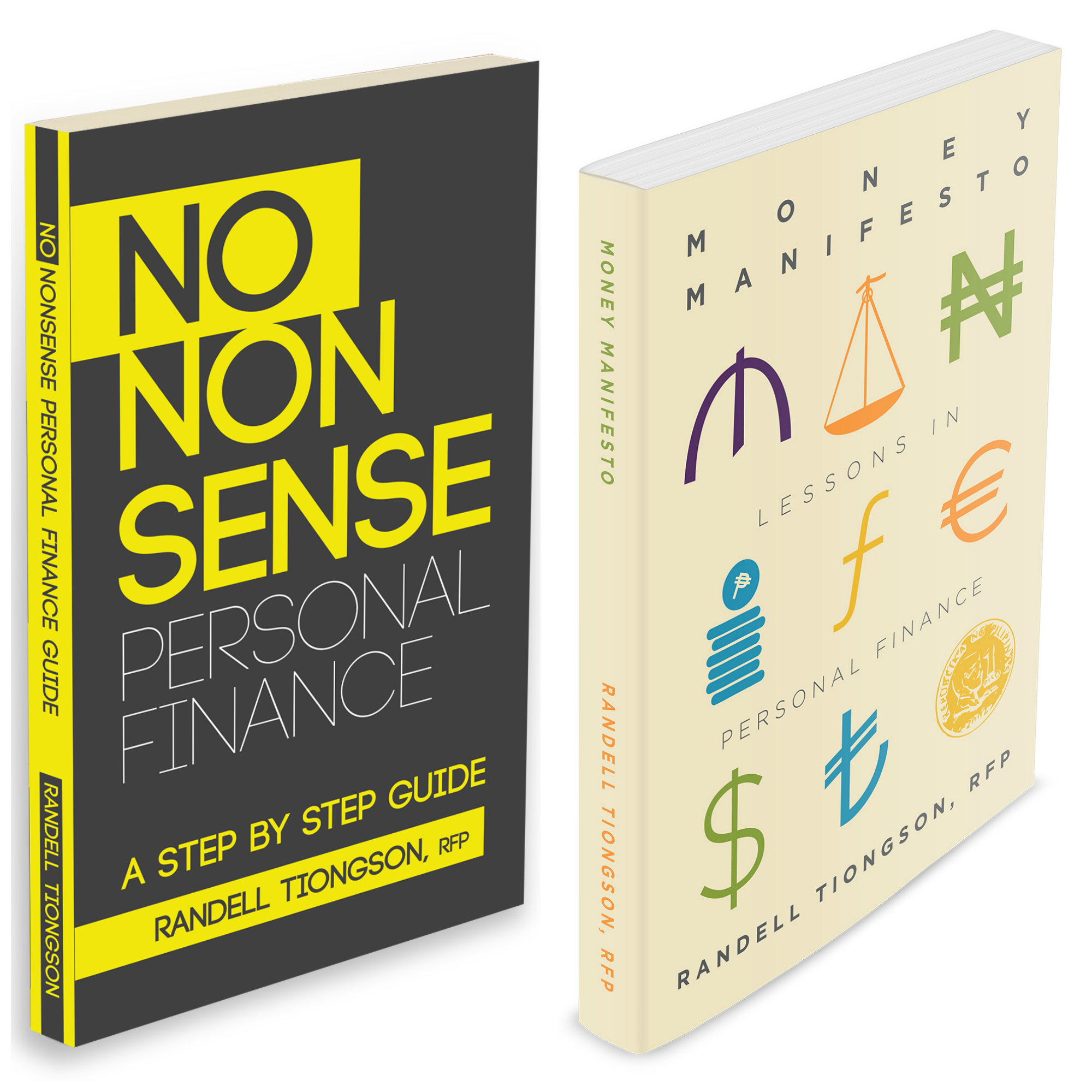
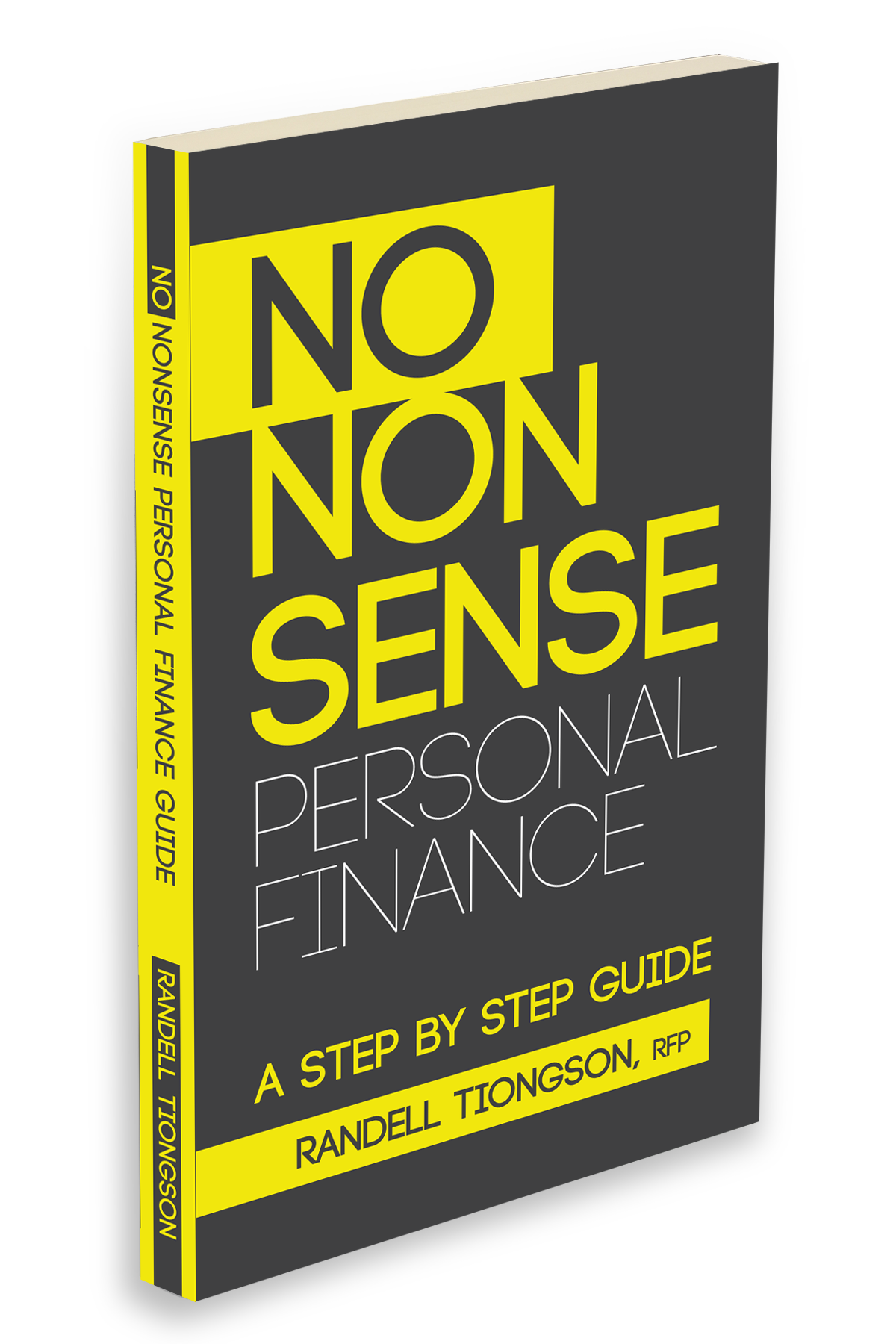
Get both books at only P900.00 — a discount of P200.00 for both books!
Money Manifesto: Lessons in Personal Finance. This book has been creating a big impact to a lot of people and has been endorsed by a lot of people like BSP Deputy Governor Diwa Guinigundo; singers Christian Bautista, Ogie Alcasid & Mark Escueta, economist Alvin Ang, stock market expert Marvin Germo and many more. This book is a very personal and practical and it will touch your heart and not just your mind.
Money Manifesto contains several topics on:
Part 1: Money Behavior
Part 2: Financial Planning
Part 3: Investment
Part 4: The Economy
Part 5: Life Matters
Money Manifesto: Lessons in Personal Finance is available at P600.00 per copy.
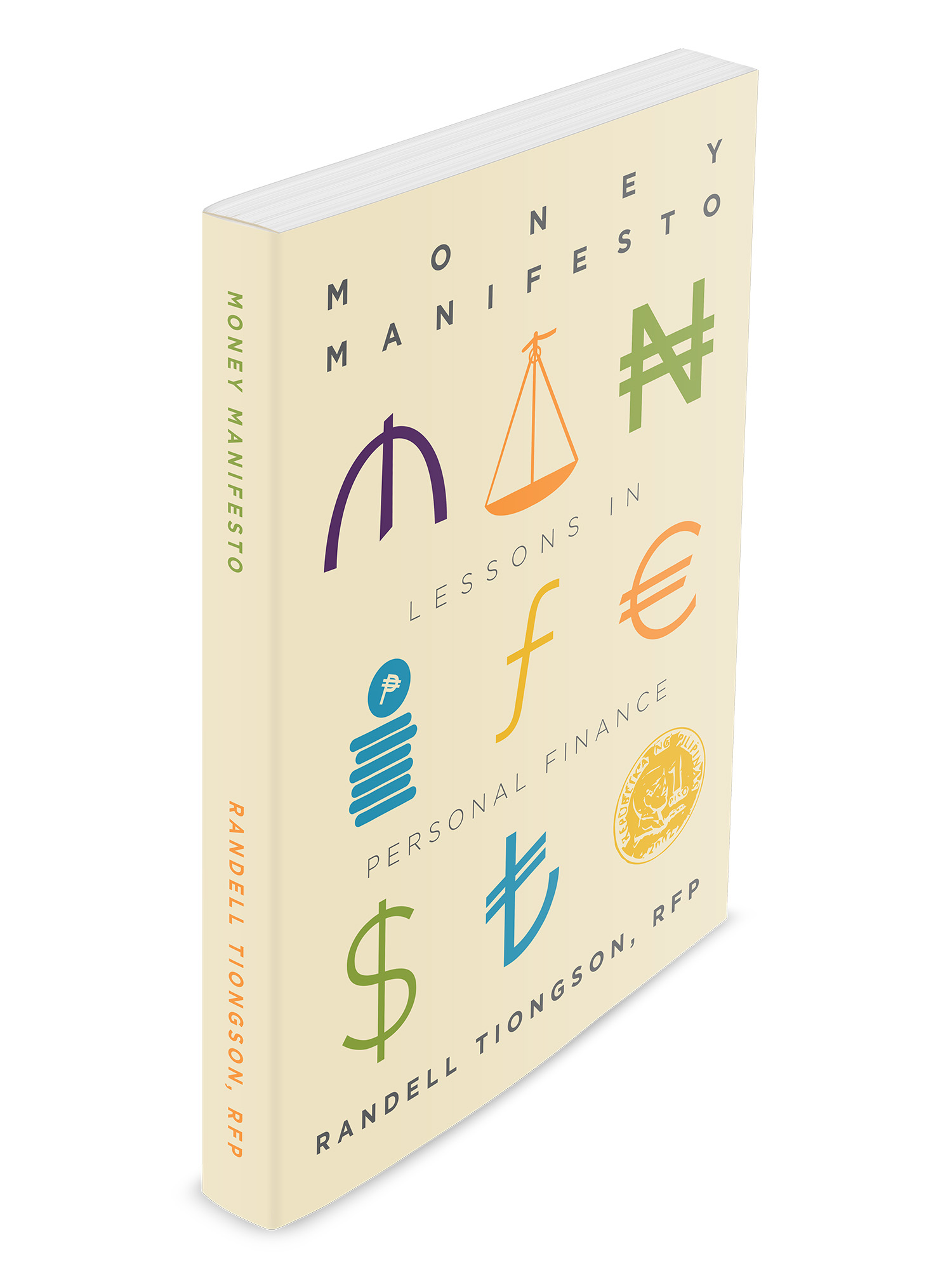
No Nonsense Personal Finance: A Step by Step Guide. This book has reached best-seller status in less than a year and has been featured in numerous publications, TV & Radio programs, etc. My first book has been used as a resource material for training programs, educational institutions and even churches.
No Nonsense Personal Finance book contains the 5 steps to achieve financial peace:
Step 1: Improving Cash Flow
Step 2: Getting Out of Debt
Step 3: Setting Up Your Emergency Funds
Step 4:Getting Protected from Life’s Risks
Step 5: Investing for Your Future
No Nonsense Personal Finance: A Step by Step Guide is available at P500.00 per copy.
Here’s how you can order:
1) Deposit the payment to BDO #006440069496 or BPI 0249-1113-09 John Randell Tiongson.
2) Take a photo of the deposit slip and send to mia.tiongson08@gmail.com along with your complete address and contact number.
3) If you want the book/s autographed, please indicate it in the e-mail.
4) Free shipping for Metro Manila orders. For provincia orders, add P60.00
 The Philippine economy has been performing admirably in the last 3 years or so. Most macroeconomic indices, stock market, and many other indicators confirms how the country is faring economically speaking. Spending power of the Pinoy has also gone up as evidenced by more robust trade and higher consumption. As in previous years, the OFW and the BPO sectors have been a big positive factor with regard to economic activity and income building but there has been growth in other sectors too such as manufacturing, services and tourism. Unfortunately, the agriculture sector seems to be a laggard, which is unfortunate because the bulk of our unemployment is agrarian in nature. There are a lot more room for improvement and we just scratching the surface in unlocking the true potentials of this beloved nation. The continuous credit upgrades we have been seeing is a testimony to what we have done and we can do in the future.