Tips When Investing In ICOs and Token Generation Sale
By Randell Tiongson on April 26th, 2018
As many cryptocurrency enthusiasts know, bitcoin started at less than $1 in 2009. By 2012, it was a little over $6. Between 10 to 12 April 2013, it dropped 83% to $45. By early January 2014, it exceeded $880. At the start of 2017, it stood at about $985. It grew to $17,500 in December 2017. Today, it is hovering under $10,000.
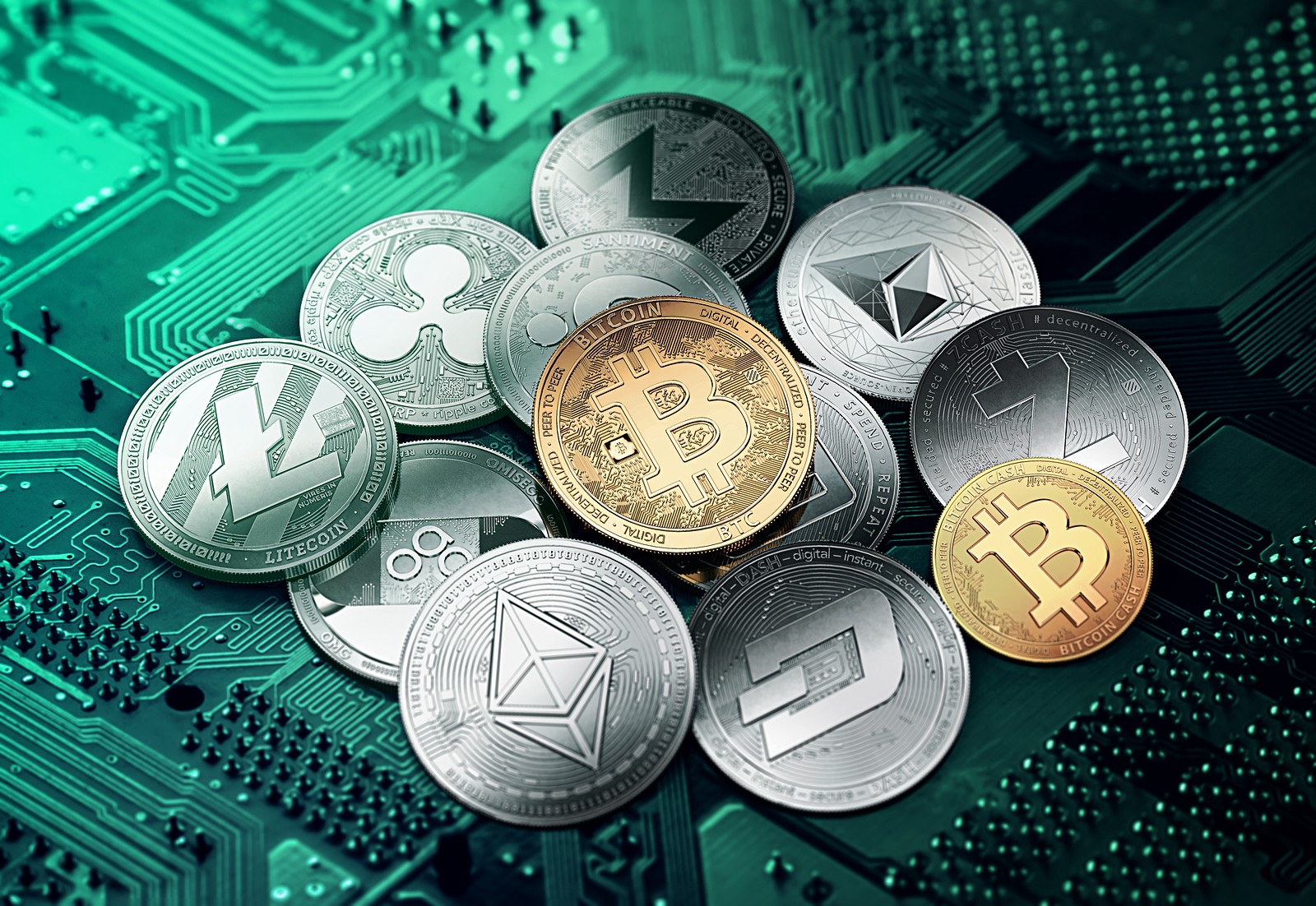
Despite the stomach-wrenching rise and fall of prices, many remain attracted to cryptocurrencies, bitcoin being only one of the 1,500-plus digital currencies and assets in circulation. I am using bitcoin as an example here because it is one of the most popular digital coins and has the highest market capitalization of its kind at around $155 billion.
If the world will eventually turn cashless and transition to a crypto-ready economy, should we start investing in cryptocurrencies now, despite price volatilities? If Yes, how do we pick the potential winners?
Crypto What?
Let me backtrack a bit by explaining cryptocurrencies in contrast to the money we keep in our pockets. Cryptocurrencies, because they are virtual, only exist in digital form. There are no physical banknotes or coins, unlike our traditional money.
We also know that traditional money is issued by a central bank, the one body that has the authority to create the currency or remove it from circulation. On the other hand, most cryptocurrencies similar to bitcoin are not controlled by any central body, but the technology behind—called blockchain—allows secure transacting among parties, where the network of peers (computers) are the ones that record and validate every transaction in a public ledger. These transactions are cryptographically secured. Bitcoin is thus considered the first “decentralized” cryptocurrency.
The blockchain technology is partly the basis for how cryptocurrencies are classified: There are the altcoins, which could be either those using bitcoin-derived blockchain such as litecoin, or those using native blockchain such as ethereum and ripple; and then there are the tokens. Tokens, unlike altcoins, reside on top of another blockchain.
The Rise of Tokens
Although classified in many reports as cryptocurrencies, some tokens are not currencies by definition because they do not function as stores of value nor mediums of exchange. Those that are not purely cryptocurrencies may instead be classified as security tokens.
The third type of tokens is used as a payment method on a specific platform or a means to access the features of a network/service (much like how arcade tokens work). These are called utility tokens.
Today, we find a slew of tokens and coins being introduced in the market via initial coin offerings (ICOs) or crowdsale events. Unfortunately, some ICOs can be exit scams or will never make some traction after their crowdsale, leaving investors in a daze, at the very least.
Reason People Put Their Money On Utility Tokens
The “pump-and-dump” investors aside, the serious utility token investors put their money on issuer-companies with the best potential to scale due to what Skillshare founder Michael Karnjanaprakorn calls the “token network effects”*. It goes like this:” As the network grows, the token adds value to the platform and accelerates network effects.” Thus, the value of the token increases as the utility of the project/network increases.
Finding those gems from among the token issuers requires, like any other investment, some research. Before joining ICOs and crowdsale, there are a few things to keep in mind:
Think About Your Investment Objective: Think about why you want to invest in cryptocurrencies, what your timeframe is, and if you and your pockets can handle the price swings.
Do Your Due Diligence. With so many shiny coins and tokens being offered, how does one evaluate them? According to Ann Cuisia-Lindayag, CEO of Traxion.Tech, there are seven proofs to look for in tokens. I have reclassified these into three:
- Mechanics – what are the systems in place that validate the identity of crypto token buyers? How strict is its whitelisting process? Does the company aim to comply with the regulations in its location? Does it specify its governance framework? How does it secure its network?
- Token Metrics – Does the white paper indicate the purpose or utility of the token? What will be the pricing, soft and hard caps, supply, token sale allocation, lockup periods? Is the whitepaper clear on what the company will do with the unsold tokens? Token metrics relevant as they can influence the rise in your token’s value after the sale.
- Milestones – Clearly, issuers that already have some of their infrastructure in place are way ahead of the ICOs that are yet to start working on their proof of concept. Ideally, whitepapers should show the company’s roadmap, which must include timeframes and completed milestones.
Check Who Runs the Team and Its Network. Cuisia also identified the competence of the team—or its proof of capability—as an important factor to assess, and I cannot stress this enough myself. The whitepaper should be able to tell you if the executive team members have the track records, and domain expertise in the industry and technologies of their product. Likewise, a check on partners and clients can give you an idea on how much traction the company has made.
Know the Difference between IPOs and ICOs, crowdsale versus crowdfunding. Token crowdsale and ICOs are not a sale of shares in a company, but in its coins or tokens, which entitles holders to join the issuer’s project or system. This being the case, do manage your expectations.
Know Your Risk Tolerance: Can you stomach potential price volatilities? That is, can you still sleep soundly if prices drop in the double-digits? Investing in coins and tokens can bring good returns, Yes. However, because the world of cryptocurrencies is new, it is not for the faint-hearted. Investing in crypto can be categorized as highly speculative.
Know How to Secure Your Tokens:. The blockchain in itself is generally secure. Like any other forms of investments, there are risks of fraud in cryptocurrencies outside of the blockchain. Scams can be in the form of cell phone identity theft, and fake digital wallets, for example. Know that scammers too have become tech savvy.
Go By the Age-old Rule: The time-worn advice commonly attributed to writer Miguel Cervantes still applies to this day: Do not put all your eggs in one basket. Hedge if you must.
Here’s a cardinal investing rule that I want to reiterate: “Never invest in something you do not understand.”
Learn more about investing at the largest and most empowering investment conference of the year: #iCON2018
For details and registration, visit www.bit.ly/ICON_2018