One of the questions I get asked by young professionals is this: “Kuya Randell, kailangan ko na ba ng life insurance kahit single pa ako?”
It’s a fair question. After all, many of you are still building your careers, paying off debt, or helping your family. Life insurance might feel like something only married people or parents should worry about.
But let’s look at it clearly—without pressure, without hype.
What is Life Insurance, Really?
At its core, life insurance is a financial safety net. It provides a cash benefit to your loved ones (called beneficiaries) if something happens to you. It’s designed to protect the people who depend on you financially.
So the real question is: Does anyone depend on you financially right now?
Let’s break it down—advantages and disadvantages of getting life insurance as a single Filipino professional.
Advantages of Getting Life Insurance While You’re Single
1. Lower Premiums Now
The younger and healthier you are, the cheaper your life insurance premiums will be. Buying early locks in low rates that you can keep for years, even decades.
Think of it as buying protection at a discount.
2. You May Still Be a Provider
Even if you’re not married, you might be supporting your parents, siblings, or even a lola. If something happens to you, your income disappears—and that could hurt your family.
If people rely on your income, insurance helps protect them.
3. Covers Loans and Debts
If you have a personal loan, car loan, or credit card debt, life insurance can help pay these off so your family doesn’t get burdened. Some single professionals also co-sign family loans. Insurance helps cover that risk too.
4. Future-Ready
Life can change quickly. You might get married in a few years or have kids. Starting your insurance now means you’re already covered—no need to scramble for approval later on when you’re older or less healthy.
Disadvantages or When You Might Not Need It Yet
1. You Have No Dependents
If no one depends on your income, and you’re not carrying big debts, you might not need life insurance yet. There are other priorities—like building your emergency fund, investing, or paying off high-interest debt.
2. It’s an Added Cost
Insurance is good—but not if it gets in the way of your current financial foundation. If you’re living paycheck to paycheck, it might be wiser to fix your cash flow first before committing to long-term policies.
3. Wrong Type of Policy
Some singles get pressured into expensive whole-life or VUL policies they don’t really understand. Sometimes a simple term insurance plan (low premium, high coverage) is enough for now. Don’t be sold—be informed.
So… Should You Get It?
Here’s my personal take:
– If you’re single, financially stable, and have people depending on you (even partially)—then yes, you should seriously consider getting life insurance.
– If no one depends on your income, and you’re still building your foundation, you can postpone it—but stay informed and revisit the idea soon.
The most important thing is to make the decision intentionally, not emotionally or under pressure.
Consider this…
As a single young professional, you’re at a powerful stage. You’re starting to build not just your career, but your legacy. Don’t think of life insurance as something morbid—it’s actually an act of wisdom and love.
Proverbs 13:22 (ESV) says:
“A good man leaves an inheritance to his children’s children.”
You may not have your own family yet, but starting smart financial habits—including protection—will bless you and your future family for years to come.
If you need help understanding what kind of insurance fits your stage in life, talk to a licensed financial advisor you trust. And always ask: Do I really need this now? Will this help me or distract me from my financial goals?
Why life insurance is a good estate planning tool
By Randell Tiongson on May 7th, 2024
Using life insurance as an estate planning tool in the Philippines is highly advantageous for several compelling reasons:
1. Estate Liquidity
One of the primary benefits of life insurance in estate planning is providing liquidity at the time of the policyholder’s death. When a person passes away, their estate might include assets like real estate, businesses, or stocks, which are not immediately liquid. Settling estate taxes and other related costs such as funeral expenses, debts, and legal fees may require cash, which might not be readily available. Life insurance proceeds can provide the necessary funds to cover these expenses without the need to hastily sell off assets, often at a lower value.
2. Estate Tax Settlement
In the Philippines, estate taxes must be settled within six months from the date of death, which can be a tight window if the assets are largely non-liquid. The tax rate as per Philippine tax law is 6% of the net estate value exceeding PHP 200,000. Life insurance can ensure that heirs have the funds available to pay these taxes and other incidental expenses without financial strain or the need to acquire loans.
3. Wealth Replacement
Life insurance can serve as a means to replace wealth consumed by taxes or debts upon the death of the estate owner. For example, if significant estate value is used to settle debts, taxes, or other obligations, the insurance proceeds can replenish this, ensuring that the beneficiaries still receive their intended inheritance.
4. Equalization among Heirs
In families where assets like businesses or real estate cannot be easily divided, life insurance offers a way to equalize the distribution among heirs. For instance, one child might inherit the family business while another could receive the equivalent value through life insurance proceeds. This approach helps maintain fairness in distributing assets according to the owner’s wishes.
5. Speed and Ease of Distribution
Life insurance proceeds are typically paid out quickly and directly to the named beneficiaries upon the policyholder’s death, bypassing the often lengthy probate process. This immediate access to funds can be crucial for families needing urgent financial support during such a difficult time.
6. Protection Against Creditors
In the Philippines, life insurance proceeds are generally protected from the claims of the policyholder’s creditors as long as the beneficiaries are stipulated in the policy. This protection ensures that the death benefit goes directly to the intended beneficiaries rather than being used to settle outstanding debts.
7. Continued Support for Dependents
Life insurance guarantees that dependents will have financial support after the policyholder’s death, which is crucial for families where the policyholder was the primary or sole breadwinner. This can be especially important in the Philippines, where extended family support is common, and financial responsibilities often stretch to include not just immediate family but also extended relatives.
8. Flexibility in Planning
Life insurance products can be tailored to fit various needs and goals within an estate plan, including increasing the death benefit over time to keep pace with growing assets and inflation, or integrating with various investment options for wealth accumulation.
Incorporating life insurance into estate planning in the Philippines offers numerous benefits that address both practical and strategic financial needs. It ensures liquidity, facilitates equitable asset distribution, provides creditor protection, and secures financial support for the deceased’s beneficiaries, all while simplifying the process of transferring wealth to the next generation. As such, life insurance remains a crucial component of comprehensive estate planning.
Life insurance is a risk management tool
By Randell Tiongson on April 26th, 2024
Life insurance is a particularly effective risk management tool for Filipinos, given the unique socio-economic challenges and cultural values that characterize the Philippines. Here are several reasons that illustrate why life insurance is especially important for Filipino families:
1. High Family Dependency
In the Philippines, there is a strong cultural emphasis on family and community support. It is common for a single income earner to support multiple family members, including children, spouses, and often extended family such as parents and siblings. Life insurance ensures that in the event of the breadwinner’s untimely death, the financial needs of these dependents are addressed, thereby preventing significant economic hardship.
2. Overseas Filipino Workers (OFWs)
A significant portion of the Filipino workforce consists of Overseas Filipino Workers (OFWs) who leave the country to work abroad in higher-paying jobs to support their families back home. Life insurance is crucial for these workers as it provides financial security for their families in the Philippines in case they face life-threatening situations abroad. Given the risks associated with working in foreign countries, life insurance acts as a safety net that protects the economic well-being of their families.
3. Limited Social Safety Nets
The Philippines, like many developing countries, has limited social welfare programs, and public benefits may not sufficiently cover the needs of all families, especially in times of crisis. Life insurance fills this gap by providing financial support for expenses such as healthcare, education, and daily living costs in the event of the death of the family provider.
4. Preparation for Natural Disasters
The Philippines is prone to natural disasters like typhoons, earthquakes, and volcanic eruptions. These events can have devastating effects on the livelihoods and homes of many Filipinos. Life insurance policies can offer additional riders or provisions that provide financial payouts in such circumstances, helping families to rebuild and recover without the burden of significant financial strain.
5. Support for Children’s Education
Education is highly valued in Filipino culture, and parents often go to great lengths to ensure that their children receive a good education, viewing it as a key to better opportunities. Life insurance can secure the necessary funds for education, ensuring that children can continue their schooling uninterrupted, even if the parents are no longer there to support them financially.
6. Managing Debt and Financial Obligations
Many Filipino families have financial obligations such as mortgages, personal loans, or business debts. Life insurance provides a financial safety net that can be used to settle these debts if the primary earner passes away unexpectedly. This prevents the debt from becoming a burden to the surviving family members and helps maintain their financial independence and stability.
7. Estate Planning and Inheritance Taxes
Life insurance can play a critical role in estate planning by providing the funds needed to pay inheritance taxes and other related expenses, ensuring that the deceased’s assets are passed on to their heirs without financial complications. This is particularly important in the Philippines, where handling estate matters can be both complex and costly.
8. Cultural Importance of Responsibility
Filipino culture places a strong emphasis on the responsibility of taking care of one’s family. Life insurance is viewed not just as a financial tool but as a fulfillment of a moral duty to protect and provide for one’s loved ones even after death. This aligns with the deeply ingrained values of Filipinos concerning family and community care.
In conclusion, life insurance serves as a critical risk management tool for Filipinos, providing financial security and peace of mind amidst the uncertainties of life. It aligns with both the practical needs and cultural values of Filipino families, making it an essential component of financial planning in the Philippines.
Want to learn how to manage your finances better?
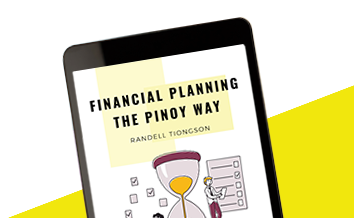
Register now and get a free copy of my e-book. Start your financial planning journey today!