Called to Build, Called to Bless
By Randell Tiongson on February 18th, 2026
One of the quiet albeit even dangerous assumptions many Christians carry is that business is, at best, morally neutral and, at worst, spiritually suspect. We tolerate it as necessary but rarely celebrate it as sacred. Yet Scripture invites us to see business through a very different lens.
Proverbs 11:26 says,
“The people curse him who holds back grain, but a blessing is on the head of him who sells it.”
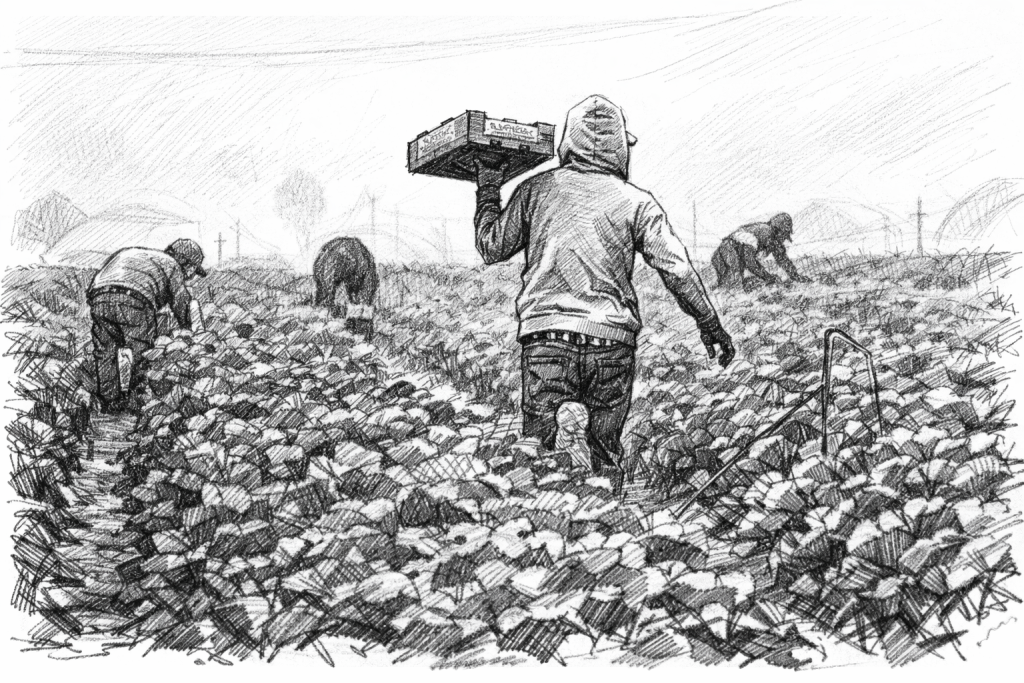
In the agrarian world in which Proverbs was written, grain was not just a commodity, it was survival. The material well-being of families and communities depended on the faithful production and distribution of food. A farmer who hoarded grain during times of need was not simply being prudent; he was withholding life. That is why Scripture speaks so strongly: withholding grain invited a curse and releasing it through fair trade invited blessing.
Production and trade were not peripheral to God’s concern, they were central to how God provided for His people.
The world has changed, but the principle has not. Our economies today are more complex, but the modern business owner, entrepreneur, or professional fulfills a role similar to the ancient farmer. God still uses production, innovation, and trade as ordinary means through which He sustains human life and enables societies to flourish. Business remains one of God’s primary instruments for meeting material needs.
Business in God’s Kingdom Story
Theologian N.T. Wright often reminds us that God’s kingdom is not about escaping the world but about renewing it. The biblical story moves from creation, through redemption, toward new creation. That means God cares deeply about the structures that shape everyday life, including work, markets, and economic systems.
Business, therefore, is not outside God’s redemptive purposes, it is part of the arena in which God’s reign is meant to be made visible.
Of course, like every human institution, business is marred by sin. We have all seen how greed, exploitation, injustice, and environmental disregard can distort what was meant for good. Scripture never denies this reality, but it is a mistake to conclude that because business can be corrupted, it is therefore unholy. Sin does not cancel calling, it reveals our need for formation.
From Profit to Formation
The deeper question is not whether business can make money. The real question is what kind of people business is forming us to become.
Kingdom formation reshapes how we pursue success. Instead of asking only what is profitable, we ask what is faithful. Instead of measuring value purely by return, we consider impact, justice, and human dignity. Instead of seeing business as a tool for self-advancement, we receive it as a vocation through which we love our neighbor and serve the common good.
God is not merely looking for successful businesses, He is looking for formed people who are willing to submit their ambitions, ethics, and decisions to the lordship of Christ.
Business as Mission
When business is shaped by God’s kingdom, it becomes a form of mission.
A business that produces goods and services that genuinely help people flourish reflects God’s generosity. A business that operates with integrity, fairness, and justice reflects God’s character. A business that creates meaningful work, pays fair wages, pays the proper taxes, cares for creation, supports the local church, and fulfills its responsibility to society reflects God’s concern for the whole community.
This is not about baptizing capitalism or romanticizing the marketplace, it is about recognizing that business is one of the spaces where the reign of God can be embodied and displayed. In this sense, business is not just something we do, it is something God uses to shape us.
A Sacred Calling
When businesses engage in production and trade ethically and justly, blessing flows outward. Families are provided for, communities are strengthened and society benefits. This is precisely the vision Proverbs points to when it speaks of blessing resting on the one who releases grain rather than hoards it.
Business, when practiced under the lordship of Christ, becomes an act of worship. It becomes a tangible way of participating in God’s ongoing work of sustaining and renewing the world.
In the end, the goal of business is not merely profit, though profit matters. The greater goal is faithfulness. Like every other sphere of life, business exists to bring glory to God by serving people and reflecting His kingdom.
Make business a godly pursuit… not by stripping it of ambition, but by submitting that ambition to the King who is making all things new.